
Abuja, Nigeria – In a landmark move, a coalition of Nigerian state governors has intensified calls for an overhaul of the revenue allocation formula. This initiative seeks to address growing financial pressures at the state level and foster equitable resource distribution for sustainable development.
The current revenue-sharing framework allocates 52.68% of federally collected revenue to the Federal Government, 26.72% to state governments, and 20.60% to local governments. Governors argue that this distribution fails to adequately support the fiscal responsibilities carried by state and local governments, especially in critical sectors such as healthcare, education, and infrastructure.
The Governors’ Push for Change
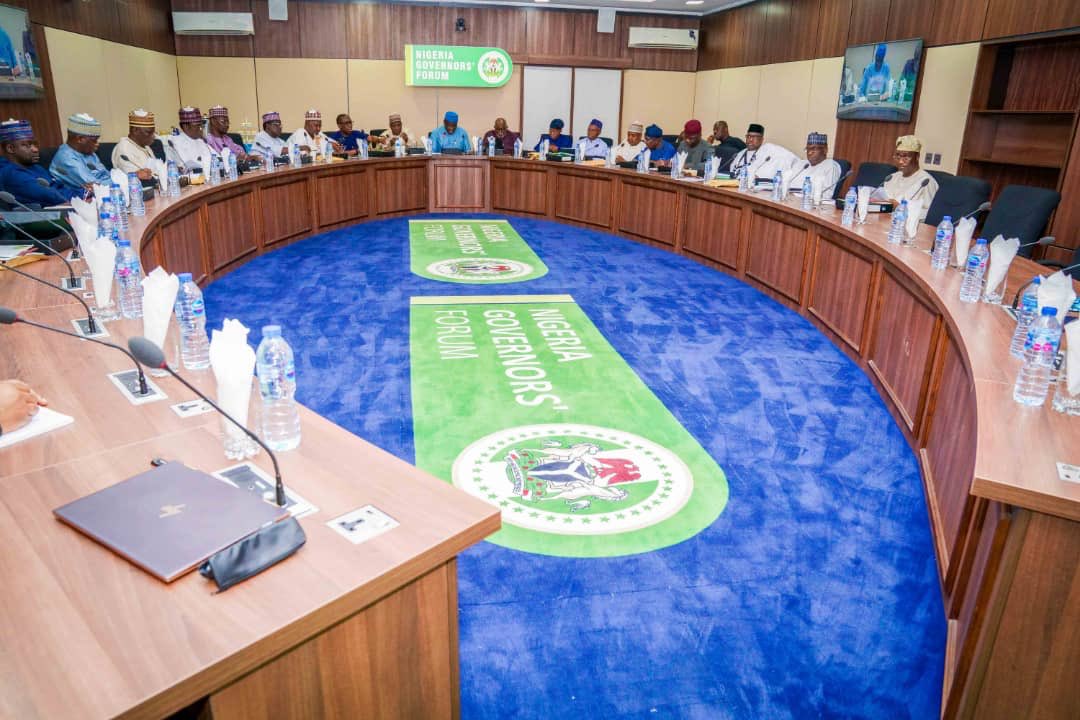
At a recent meeting, the People’s Democratic Party (PDP) Governors’ Forum urged the Federal Government to expedite the adoption of a new revenue-sharing formula. Governor Udom Emmanuel of Akwa Ibom emphasized the necessity for increased allocations, highlighting that states require more resources to address the rising costs of public service delivery and economic pressures exacerbated by inflation and currency devaluation.
The Federation Accounts Allocation Committee (FAAC) reports that ₦1.35 trillion was disbursed in June 2024. Despite this, many states remain financially strained, with over 31 states depending on federal allocations more than their internally generated revenue (IGR).
Disparities in Allocation
Federal revenue distribution has revealed disparities that intensify regional inequities:
- States like Delta, Akwa Ibom, and Rivers received the highest allocations between 2019 and 2022, benefiting from oil revenue.
- Others, such as Sokoto, Osun, and Cross River, received significantly lower shares, limiting their development potential.
This uneven distribution has fueled calls for reforms to ensure a fairer allocation system that aligns with the unique needs and challenges of each state.
Potential Impact on Nigeria’s Economy
Revising the revenue allocation formula could significantly impact Nigeria’s economy, presenting both opportunities and challenges:
- Enhanced State Development:
- Increased funds for states would empower them to invest in infrastructure, healthcare, and education, fostering economic growth at grassroots levels.
- States would also have more resources to attract private investment, diversify local economies, and reduce unemployment.
- Reduced Federal Dependency:
- A fairer distribution model could incentivize states to develop their IGR mechanisms while relying less on federal allocations. This could lead to a more balanced and self-sustaining economic structure.
- Challenges in Federal Budgeting:
- A reduction in the Federal Government’s share of revenue might limit its ability to fund national projects, defense, and foreign obligations, potentially affecting macroeconomic stability.
- Boost to Regional Equity:
- States in less-developed regions would gain access to funds necessary for bridging infrastructure and development gaps, creating a more balanced economic landscape across the country.
- Fiscal Autonomy and Accountability:
- With more resources, states would need to demonstrate fiscal responsibility and transparency, which could lead to improved governance and public trust.
A Path Forward
State governors emphasize that revisiting the revenue-sharing formula is critical for achieving sustainable development across Nigeria. They argue that equipping states with adequate resources is essential for addressing pressing issues such as poverty, unemployment, and inadequate public services.
As the Federal Government considers these demands, all eyes are on the potential ripple effects across Nigeria’s socio-economic landscape. A restructured allocation system could redefine fiscal federalism in Nigeria, setting the stage for a more equitable and prosperous future.
This reform represents a pivotal step in Nigeria’s journey towards inclusive growth and balanced regional development. The question remains whether the Federal Government will heed these calls and chart a path toward a fairer revenue-sharing framework.