
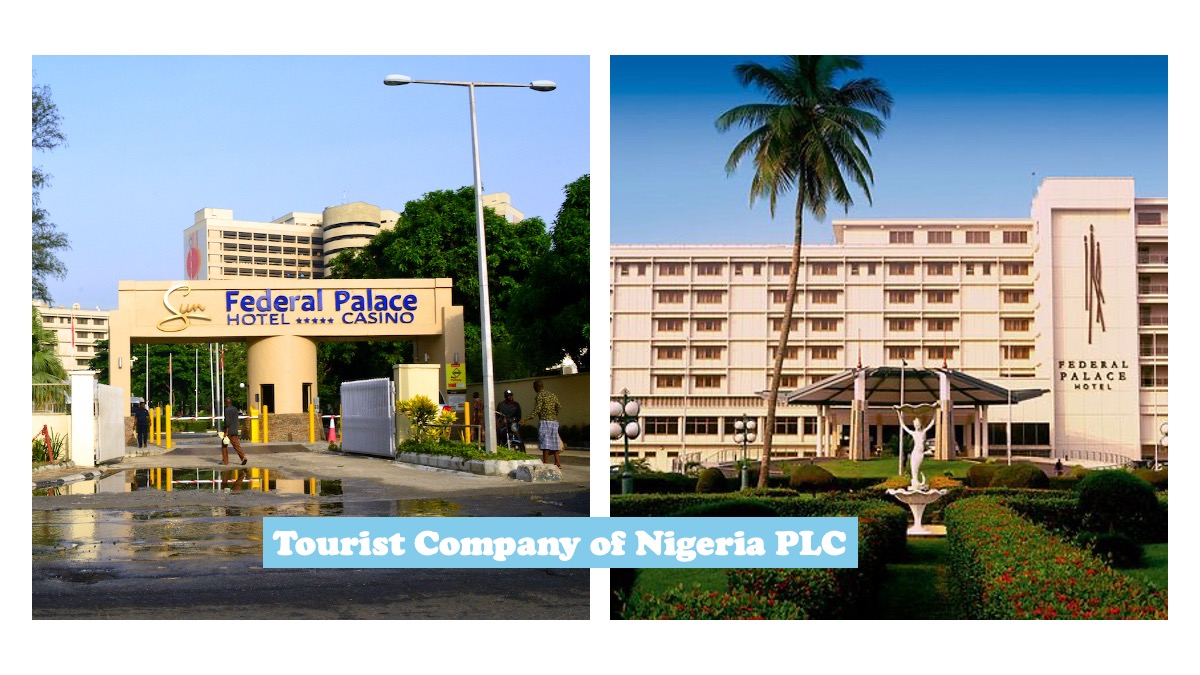
Tourist Company of Nigeria Plc (TOURIST), owner of the Federal Palace Hotel, has been a prominent name in Nigeria’s hospitality industry. However, recent performance metrics paint a grim picture, with the company facing significant operational and financial challenges. Despite its historical prestige, TOURIST has struggled to adapt to the changing dynamics of the hospitality market, leading to sustained losses and eroding investor confidence.
Performance Highlights
Financial Decline
- Revenue Growth (YoY): 16.67%
- While there is nominal growth in revenue, it pales in comparison to industry leaders like Transcorp Hotels Plc, which achieved nearly 60% growth over the same period.
- Operating Margin: -44.11%
- The company’s inability to cover operating expenses indicates inefficiencies and structural issues.
- Net Margin: -1,107.67%
- TOURIST’s net losses reflect significant financial strain, possibly due to high debt obligations and low profitability.
Market Performance
- 1-Year Performance: -11.97%
- The company’s declining market valuation underscores investor pessimism and lack of confidence in its turnaround potential.
Key Reasons Behind Poor Performance
1. Operational Inefficiencies
TOURIST’s operational costs far outweigh its revenues, as evidenced by its negative operating margin. These inefficiencies could stem from outdated infrastructure, mismanagement, or high overhead costs.
2. Legacy Debt Obligations
The company appears burdened by significant debt, with high interest payments eating into potential profits. This financial strain limits its ability to reinvest in upgrades and marketing to attract more customers.
3. Inadequate Market Positioning
While competitors like Transcorp Hotels have diversified their offerings and targeted both corporate and leisure markets, TOURIST has struggled to define a competitive niche. Its reliance on historical prestige may no longer resonate with modern consumers.
4. External Challenges
- Economic Instability: High inflation and currency devaluation in Nigeria have increased the cost of operations while reducing consumer spending power.
- Insecurity: Widespread insecurity in Nigeria deters international and local travelers, affecting hotel occupancy rates.
- COVID-19 Aftermath: The pandemic’s lingering effects continue to impact tourism and hospitality, particularly for companies slow to adopt recovery strategies.
5. Lack of Innovation
Unlike its peers, TOURIST has lagged in adopting modern technologies such as online booking systems, dynamic pricing models, and digital marketing. This digital gap has left it unable to compete effectively in a tech-driven marketplace.
Opportunities for Recovery
Despite its current struggles, Tourist Company of Nigeria Plc has opportunities to stage a turnaround:
1. Revamp Operations
- Streamline operations to cut unnecessary costs and improve efficiency.
- Upgrade facilities to match modern standards and attract premium customers.
2. Digital Transformation
- Develop a robust online presence with user-friendly booking platforms.
- Leverage social media and targeted digital marketing to engage younger audiences.
3. Diversify Offerings
- Expand services to include event hosting, co-working spaces, and wellness packages.
- Partner with local businesses to create unique travel and hospitality experiences.
4. Restructure Debt
- Renegotiate debt terms to reduce interest payments and free up cash flow for reinvestment.
- Seek strategic equity investors to inject capital and drive growth initiatives.
5. Focus on Customer Experience
- Implement customer feedback systems to identify and address pain points.
- Train staff to deliver exceptional service, differentiating TOURIST from competitors.
Conclusion
The Tourist Company of Nigeria Plc’s struggles highlight the challenges faced by legacy businesses in adapting to a fast-evolving market. However, with a clear strategy focused on operational efficiency, digital transformation, and customer-centric initiatives, the company has the potential to regain its footing. As the hospitality sector rebounds post-pandemic, TOURIST must act decisively to capitalize on emerging opportunities and secure a sustainable future.
Leave a Reply