
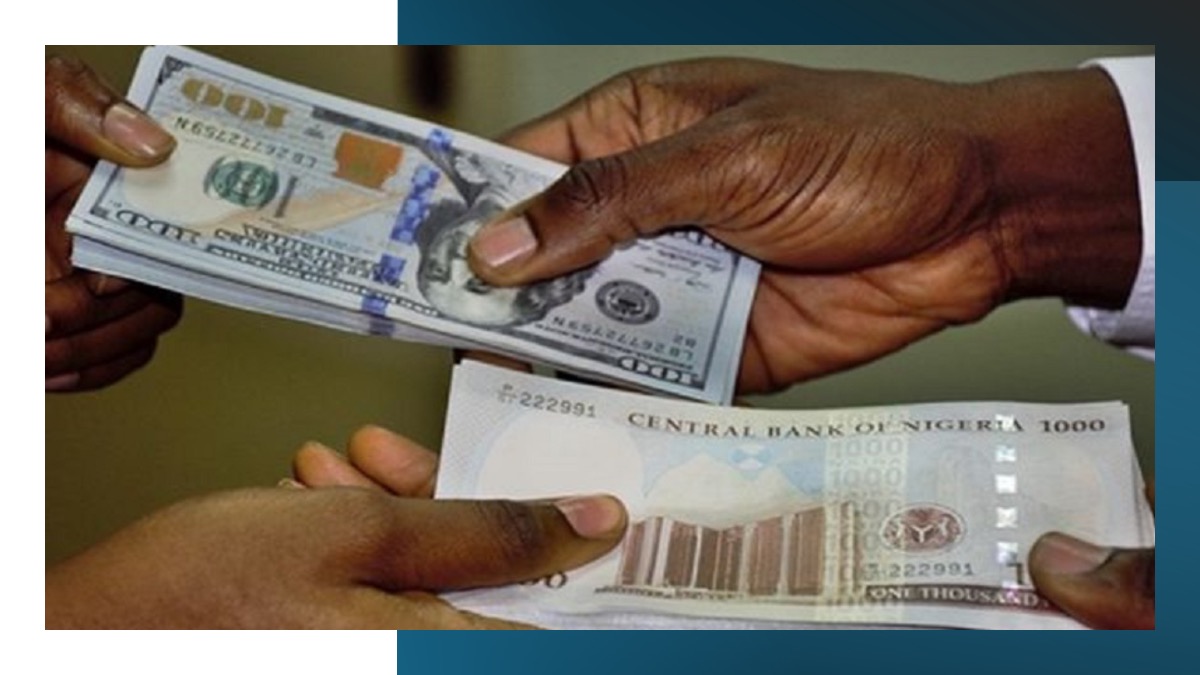
Nigeria’s currency, the naira, is expected to face heightened volatility in 2025, fueled by the continued rise in US Treasury yields. As the US Federal Reserve maintains a hawkish stance to combat inflation, higher yields have strengthened the US dollar, creating challenges for emerging markets like Nigeria. The combination of a rising Dollar Index and capital outflows from Nigerian markets could exacerbate forex pressures, threaten macroeconomic stability, and impact business operations across the country.
Understanding the Link Between US Bond Yields and Currency Volatility
1. Rising US Treasury Yields
US Treasury yields, considered a benchmark for risk-free returns, have been rising steadily. Higher yields attract global capital to US bonds, strengthening the dollar and reducing the appeal of riskier assets in emerging markets.
2. The Stronger Dollar Effect
The Dollar Index, which measures the dollar’s strength against a basket of currencies, has risen sharply. For Nigeria, this creates a dual challenge:
- Increased cost of servicing dollar-denominated debt.
- Greater demand for dollars to settle international trade and investment obligations.
3. Capital Flight
Rising US yields often trigger capital flight from emerging markets. Foreign portfolio investors are likely to reduce exposure to Nigerian assets, intensifying pressure on the naira.
Implications for Nigeria’s Economy
1. Forex Reserve Depletion
- Nigeria’s external reserves, already under strain due to declining oil revenues, will face additional pressure as capital outflows increase demand for dollars.
- The Central Bank of Nigeria (CBN) may struggle to meet forex demands, weakening its ability to stabilize the naira.
2. Currency Depreciation
- The naira, which has experienced significant depreciation in recent years, is at risk of further declines in 2025.
- Importers will bear the brunt of a weaker naira, facing higher costs for goods and services purchased abroad.
3. Inflationary Pressures
- Currency depreciation will drive up the cost of imports, particularly essential goods like food, fuel, and pharmaceuticals. This will further exacerbate Nigeria’s inflation rate, which stood at 34.6% in late 2024.
4. Business Profitability
- Companies dependent on imported raw materials or foreign funding, such as manufacturers and consumer goods firms, will see reduced profit margins.
- Export-oriented sectors like agriculture and energy may benefit from a weaker naira, as their revenues are dollar-denominated.
Sectors Most Affected
1. Financial Services
- Banks face dual challenges: increased forex demand from clients and rising non-performing loans as businesses struggle with higher import costs.
- Companies with substantial dollar exposure, such as trade finance institutions, will need to implement robust risk management strategies.
2. Manufacturing
- Import-dependent manufacturers will experience higher production costs, potentially leading to reduced output and job losses.
3. Consumer Goods
- Retailers relying on imported products will pass on higher costs to consumers, shrinking purchasing power and reducing demand.
4. Infrastructure Projects
- Capital-intensive projects reliant on foreign loans or imported equipment may face delays or cancellations due to cost escalations.
Policy Challenges for the Central Bank of Nigeria
1. Limited Policy Tools
- With interest rates already at 27.5%, the CBN has limited room to raise rates further without stifling domestic economic activity.
- Maintaining forex stability through interventions will deplete reserves, leaving little buffer for future shocks.
2. Balancing Inflation and Growth
- Efforts to curb inflation by tightening monetary policy could slow down economic growth and hurt employment.
3. Managing Public Perception
- Currency volatility undermines public confidence in monetary policy, prompting speculative activity that can further destabilize the naira.
Strategies to Mitigate Currency Volatility
1. Boost Forex Reserves
- Encouraging foreign direct investment (FDI) and promoting non-oil exports are critical to improving forex availability.
- Policies to attract diaspora remittances, such as offering attractive interest rates on naira-based investments, can provide additional inflows.
2. Encourage Local Production
- Reducing dependency on imports by incentivizing local production of goods currently sourced from abroad can ease forex pressures.
3. Diversify Export Earnings
- Strengthening non-oil sectors like agriculture, technology, and services can help Nigeria reduce its reliance on oil revenues for forex inflows.
4. Enhance Forex Market Transparency
- Implementing transparent and predictable forex policies will improve investor confidence and reduce speculative pressure on the naira.
5. Promote Derivative Instruments
- Developing forex derivative markets can help businesses hedge against currency risks, mitigating the impact of volatility.
Opportunities Amid the Challenges
1. Export Competitiveness
- A weaker naira makes Nigerian goods more competitive in international markets, providing an opportunity for exporters to expand their market share.
2. Diaspora Investments
- A strong dollar increases the purchasing power of Nigerians living abroad, encouraging investments in real estate, infrastructure, and local businesses.
3. Regional Trade
- Strengthening intra-African trade under the African Continental Free Trade Area (AfCFTA) can provide a buffer against global currency fluctuations.
The Way Forward
For Policymakers
- Policymakers must strike a balance between managing inflation, stabilizing the currency, and fostering economic growth. Collaborative efforts with the private sector to boost local production and diversify exports will be key to building resilience.
For Businesses
- Companies should adopt proactive strategies to hedge against currency risks and optimize their supply chains to reduce import dependency.
For Investors
- Long-term investors can leverage opportunities in export-oriented sectors and undervalued equities that are well-positioned to benefit from a weaker naira.
Conclusion
As US bond yields remain elevated, Nigeria is likely to face heightened currency volatility in 2025. While this presents significant challenges, it also underscores the importance of structural reforms, economic diversification, and innovative forex management strategies.
By adopting forward-looking policies and fostering resilience within the financial system, Nigeria can navigate this turbulent period and lay the foundation for sustainable economic growth. Collaboration among policymakers, businesses, and investors will be crucial in shaping the country’s economic trajectory in the face of external pressures.
