
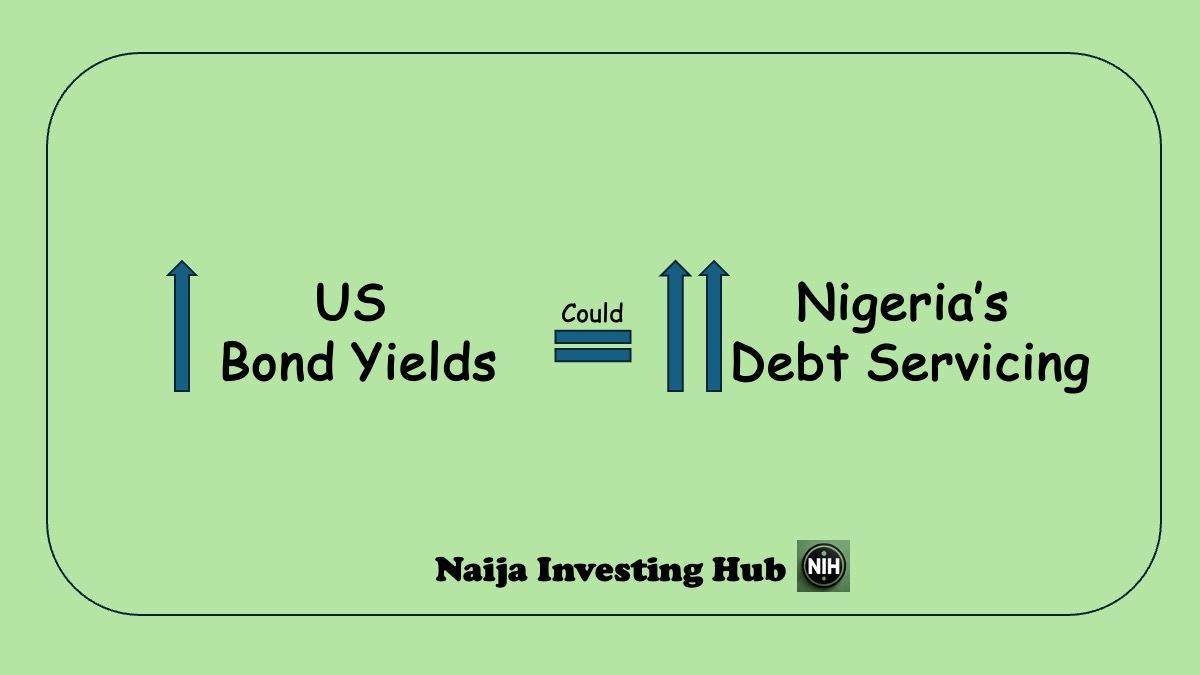
Nigeria’s fiscal stability faces significant risks in 2025 as rising US Treasury yields and a stronger dollar threaten to increase the cost of servicing the country’s dollar-denominated debt. With the US Federal Reserve maintaining elevated interest rates to combat inflation, global capital flows are shifting toward dollar-denominated assets, driving up borrowing costs for emerging markets like Nigeria. These developments could severely strain Nigeria’s already tight fiscal space, undermining efforts to spur economic growth and reduce poverty.
The US Bond Yield Surge and Its Implications
1. Elevated US Treasury Yields
US Treasury yields have risen to multi-year highs, offering attractive returns to global investors and raising the benchmark cost of borrowing for governments and corporations worldwide.
2. A Strengthening Dollar
The Dollar Index, a measure of the dollar’s strength against major currencies, has surged alongside Treasury yields. For Nigeria, this means:
- Higher Debt Costs: A stronger dollar increases the naira equivalent of dollar-denominated debt repayments.
- Reduced Fiscal Space: Higher borrowing costs leave less room for spending on critical infrastructure and social programs.
Nigeria’s Debt Landscape
1. Rising Debt Levels
- Nigeria’s public debt stood at ₦87 trillion (approximately $113 billion) at the end of 2024, with external debt accounting for a significant share.
- Dollar-denominated debt, estimated at $48 billion, makes Nigeria particularly vulnerable to fluctuations in the exchange rate and global interest rates.
2. Debt Servicing Burden
- In 2024, Nigeria spent nearly 90% of its revenue on debt servicing. Rising US yields are expected to push this ratio even higher in 2025, exacerbating fiscal pressures.
3. Oil Revenue Dependence
- While oil revenues remain Nigeria’s primary source of forex earnings, global oil price volatility and production challenges reduce the reliability of this income stream for debt servicing.
Fiscal Risks Stemming from Rising Debt Costs
1. Increased Borrowing Costs
- Nigeria’s sovereign bonds will attract higher yields to remain competitive with US Treasuries, increasing the cost of raising new debt.
- Elevated yields on domestic bonds could also crowd out private investment, slowing economic growth.
2. Currency Depreciation
- A stronger dollar and reduced forex inflows will likely weaken the naira, further increasing the cost of servicing dollar-denominated debt.
- Currency volatility could erode investor confidence, leading to further capital outflows and exacerbating fiscal challenges.
3. Inflationary Pressures
- A weaker naira will increase import costs, fueling inflation and reducing the purchasing power of households and businesses.
- Rising inflation could force the Central Bank of Nigeria (CBN) to raise interest rates further, increasing the cost of domestic debt servicing.
Impact on Fiscal Policy and Development Goals
1. Reduced Development Spending
- Rising debt costs will divert funds from critical infrastructure projects, healthcare, and education, hindering progress toward Nigeria’s development goals.
- Social programs targeting poverty reduction and job creation could face budget cuts, increasing socioeconomic disparities.
2. Higher Deficit Financing
- Nigeria’s fiscal deficit is expected to widen as higher debt costs and reduced revenues strain government finances.
- Reliance on domestic borrowing to fill budget gaps could lead to tighter liquidity in the financial sector.
3. Risk of Debt Distress
- Without sufficient revenue growth or fiscal reforms, Nigeria risks sliding into debt distress, reducing its ability to secure affordable financing in international markets.
Strategies to Mitigate Fiscal Risks
1. Diversify Revenue Streams
- Expanding non-oil revenues through improved tax collection and policies that encourage investment in agriculture, manufacturing, and services can reduce fiscal dependence on oil.
- Strengthening customs enforcement and reducing tax leakages can boost government revenue.
2. Optimize Debt Management
- Restructuring existing debt to extend maturities and reduce near-term repayment obligations can ease fiscal pressures.
- Issuing bonds in local currency rather than dollars can mitigate exchange rate risks.
3. Encourage Foreign Direct Investment (FDI)
- Streamlining regulatory processes and improving infrastructure can attract FDI, boosting forex inflows and reducing reliance on external borrowing.
4. Strengthen Export Competitiveness
- Supporting export-oriented industries, particularly in agriculture and manufacturing, can increase forex earnings and reduce trade deficits.
- Value-added exports, such as processed agricultural products, can generate higher revenues.
5. Leverage Regional Trade Opportunities
- Fully implementing the African Continental Free Trade Area (AfCFTA) can open new markets for Nigerian goods, reducing dependency on dollar-dominated trade.
6. Fiscal Reforms
- Implementing fiscal discipline through better public expenditure management and reducing wasteful spending can free up resources for debt servicing and development programs.
Opportunities Amid Fiscal Risks
1. Green Financing
- Issuing green and sustainable bonds can attract investment from environmentally conscious investors, diversifying Nigeria’s funding sources.
2. Diaspora Bonds
- Offering bonds targeted at the Nigerian diaspora can generate forex inflows and reduce reliance on international capital markets.
3. Capital Market Deepening
- Developing local capital markets through innovative financial instruments can provide alternative funding options and reduce reliance on external debt.
The Road Ahead
For Policymakers
- Policymakers must prioritize revenue diversification, debt restructuring, and fiscal discipline to mitigate the impact of rising debt costs.
- Transparent communication with investors and stakeholders will be critical to maintaining confidence in Nigeria’s economic stability.
For Businesses
- Export-oriented businesses should focus on improving competitiveness to benefit from potential naira depreciation.
- Companies relying on imported inputs should explore local sourcing and hedging strategies to manage forex risks.
For Investors
- Long-term investors may find opportunities in sectors poised for growth, such as agriculture, technology, and renewable energy, despite short-term fiscal challenges.
Conclusion
Rising US Treasury yields in 2025 pose a serious threat to Nigeria’s fiscal stability, increasing debt servicing costs and straining public finances. While the risks are significant, they also underscore the urgency of addressing structural weaknesses and diversifying the economy.
With proactive fiscal reforms, effective debt management, and strategic investments in growth sectors, Nigeria can navigate these challenges and build a more resilient economic foundation. Collaboration between policymakers, businesses, and international partners will be key to ensuring sustainable growth in the face of global financial headwinds.
