
Two sale agreements in six days are changing the questions facing UAC of Nigeria shareholders. Attention is moving from how much its existing businesses can earn to what the group will keep, how much cash it will realise and where that money will go.
The larger disclosed consideration comes from Livestock Feeds. UAC said on 30 September 2026 that it had agreed to sell its 73.29% holding to Sunbeth Treenuts and Sesame Limited for ₦19.5 billion in cash, equivalent to ₦8.85 per Livestock Feeds share. Regulatory approvals are still required, and payment is due on completion.
That followed the 24 September agreement to sell its 43% interest in DP World Logistics Limited, formerly MDS Logistics, to 22 Plus Invest Limited, a member of the Tropical General Investments Group. That announcement also made completion conditional on regulatory approval. It did not disclose a price.
What the ₦19.5 billion tells shareholders
The Livestock Feeds agreement provides a concrete measure of value for a substantial UAC investment. Dividing the consideration by the stake being sold gives an implied value of roughly ₦26.6 billion for all the shares, although that is a simple pro-rata calculation rather than a separate valuation supplied by either company.
It also needs careful interpretation. The price covers a controlling block. Minority investors cannot assume that their shares will be bought at the same price, or that this agreement itself gives them an exit. Any arrangements affecting other shareholders would have to be established from the relevant subsequent disclosures.
For UAC investors, ₦19.5 billion is the announced cash consideration, not an announced profit. The eventual accounting gain depends on the carrying value of the investment and the transaction’s accounting treatment. Cash ultimately available for other purposes may also be affected by costs and taxes. Treating the full sale price as additional earnings would overstate what the announcement establishes.
There is a further distinction between an agreement and money received. Until completion is confirmed, shareholders have a prospective disposal to assess. They do not yet have confirmation that the cash is on UAC’s balance sheet.
A different owner for the feed business
UAC became Livestock Feeds’ majority shareholder in 2013. The sale announcement describes Sunbeth’s activities in agricultural sourcing, warehousing, trading and processing, alongside Livestock Feeds’ manufacturing and distribution operations.
The commercial logic is understandable: an owner with experience sourcing agricultural inputs may be able to connect procurement more closely with feed production. That remains a business case to test. Benefits would need to appear in dependable raw-material supplies, factory utilisation, working-capital management and margins after the change of ownership.
For Livestock Feeds, execution would matter as much as the identity of its new controlling shareholder. A more integrated supply chain can create opportunities, but it also brings decisions about sourcing terms, investment priorities and relationships with other group companies. Future operating disclosures should help show whether the proposed combination improves the economics of producing and distributing feed.
UAC’s next allocation decision
Together, the two agreements suggest a meaningful reshaping of UAC’s portfolio. They do not, on their own, establish a new capital-allocation policy. Neither a special dividend nor a particular acquisition can be inferred from the fact that assets are being sold.
The most useful next disclosures would clarify the logistics consideration, confirm the approvals and completion of each transaction, and explain the intended use of proceeds. The retained businesses will then need to be assessed against the earnings and cash flows that leave the group.
A disposal can simplify a company and free capital for better uses. It can also reduce recurring income before replacement investments begin contributing. The result for shareholders depends on the price achieved and the returns earned on whatever follows.
As of 2 October, UAC has given investors two proposed exits and one disclosed cash price. The investment story now depends on completion and reinvestment discipline, with the missing logistics price still an important piece of the picture.
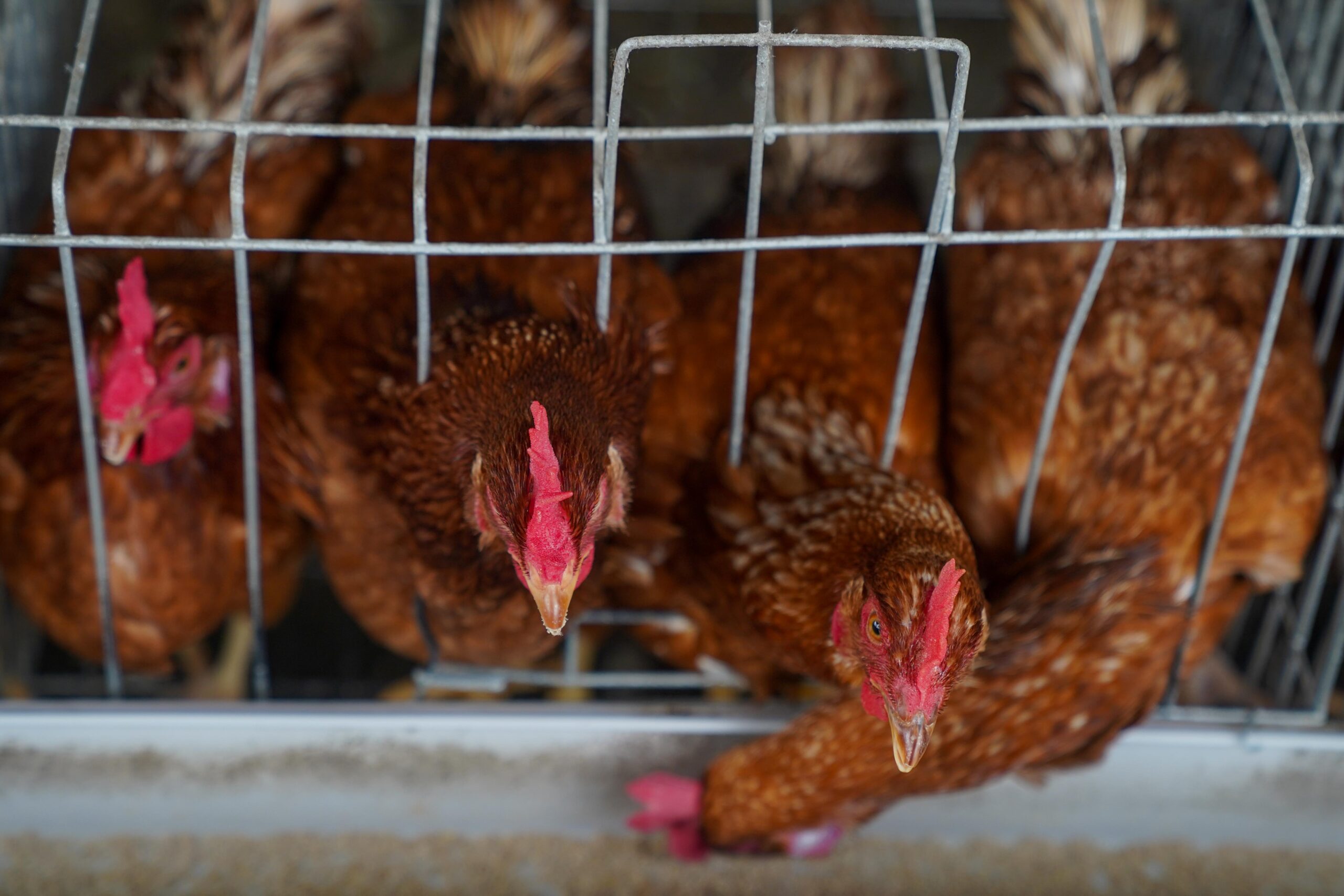
Image: Layer hens feeding in Lagos, November 2024. Sector illustration; not a verified UAC or Livestock Feeds facility. Photo by Marvellousdurowaiye / Wikimedia Commons, licensed CC BY-SA 4.0. Resized automatically by WordPress.
