
Stanbic IBTC‘s first-half earnings came with an unusual combination: a sharply higher dividend, strong profit growth and weaker net interest income. The explanation lies in the change in its earnings mix, particularly a large recovery in trading revenue.
The group’s interim accounts for the six months ended June 30, 2026, released on September 30, show profit after tax of ₦239.68 billion, up 38.2% from ₦173.43 billion a year earlier. Profit before tax increased 40.1% to ₦341.57 billion. Gross earnings reached ₦650.31 billion.
The board proposed an interim dividend of ₦4.50 per share, 80% above the ₦2.50 declared for the comparable 2025 period. That gives shareholders a near-term cash-return decision, while the underlying numbers raise a longer-term question: which parts of this half-year performance are most likely to persist?
The trading swing did the heavy lifting
Trading revenue was ₦126.36 billion, against a ₦856 million loss in the first half of 2025. The swing of about ₦127.21 billion exceeded the ₦97.82 billion increase in group pre-tax profit. This arithmetic shows how important trading was to the overall improvement; it does not strip out tax, costs or other interactions to produce an alternative earnings figure.
Meanwhile, net interest income fell 14.3% to ₦266.28 billion. Interest earned declined while funding expenses rose. Net fee and commission revenue supplied another source of growth, increasing 27.1% to ₦145.26 billion. Nairametrics’ review of the results also highlights lower impairment charges and the fact that operating expenses grew more slowly than gross earnings.
Those offsetting movements matter. A bank can improve its overall profitability even when interest margins are under pressure, particularly if it has substantial trading, investment and fee-generating activities. It would nevertheless be risky to assume that every naira of the trading rebound becomes a repeatable annual contribution.
Trading is a legitimate part of the business. Its strong contribution alone does not justify calling the earnings artificial or treating the entire amount as a one-off. The practical issue is variability: market activity, customer demand, prices and positions can change from one reporting period to another. Fee income and net interest income therefore deserve separate attention alongside the headline profit number.
Four dates for the ₦4.50 dividend
The corporate-action notice provides a timetable that is longer than a simple qualification-and-payment sequence:
- October 15, 2026: qualification date, based on the shareholder register at the close of business
- October 23: scheduled announcement of the scrip-dividend allotment price
- November 6: deadline for shareholders choosing shares instead of cash
- November 13: scheduled dividend payment date
The register closes from October 16 to October 23. The proposed distribution is subject to withholding tax and regulatory approval. Cash payment also depends on completing the applicable e-dividend registration and bank mandate. Shareholders considering the scrip option should use the announced allotment price when assessing it; that price had not yet been published as of October 2.
A qualification date is a register cut-off. Anyone purchasing shares near it needs to check settlement eligibility with a broker rather than assume that placing an order on that day guarantees entitlement.
What the next reporting period must answer
For the next set of accounts, the clearest comparison will separate the sources of earnings again. Has net interest income stabilised? Are fees still expanding? Has trading remained strong without a corresponding build-up in risk? And are credit losses staying manageable?
The higher distribution gives shareholders something tangible from this profitable half-year. It is less useful as a shortcut to valuing the shares. A sound reading of the results needs both sides of the picture: the businesses producing the growth and the net-interest-income weakness that growth has absorbed.
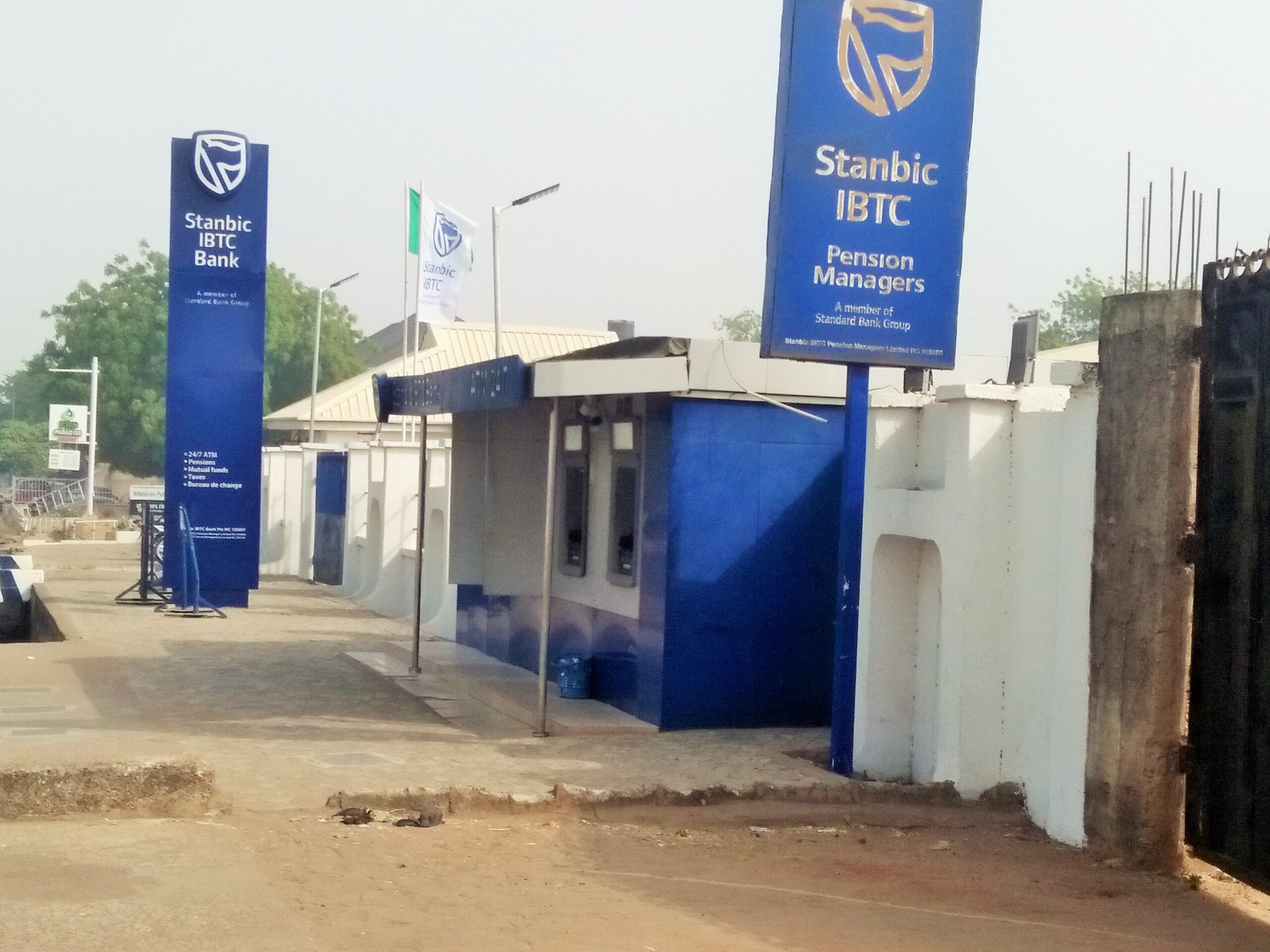
Image: Stanbic IBTC Bank in Gombe, January 2023. Archive photograph by Yahuzaishat / Wikimedia Commons, licensed CC BY-SA 4.0. Resized automatically by WordPress.
