
PZ Cussons Nigeria reported higher sales revenue and earned a better gross margin in its latest quarter, yet reported profit fell by almost two-thirds. The apparent contradiction sits largely below gross profit, where last year’s property-disposal gains and much larger foreign-exchange gains make the comparison unusually demanding.
Its unaudited results for the quarter ended 31 August 2026, released on 30 September, show revenue of ₦64.84 billion, up 9.9%. Group profit after tax fell to ₦4.63 billion from ₦13.49 billion, a decline of 65.7%. This is the first quarter of PZ’s 2026/27 financial year.
The earlier quarter included ₦11.91 billion of profit from selling three properties. Disposal profit in the latest quarter was only ₦2.74 million. Foreign-exchange gains also fell, from ₦3.57 billion to ₦177.47 million.
Meanwhile, gross profit increased to ₦19.78 billion from ₦15.90 billion. Calculated from the reported figures, the gross margin improved to approximately 30.5% from 26.9%.
These numbers call for a more careful reading than the headline profit decline alone allows. Property sales can deliver real value and cash, but they cannot be assumed to recur each quarter. Equally, removing a disposal gain does not automatically explain every movement in earnings: foreign exchange, distribution costs, administration and tax still matter.
The improvement in gross margin is encouraging for the economics of the goods sold. It does not reveal how much of revenue growth came from prices rather than volumes, or guarantee that the benefit will survive subsequent operating costs. A sustained recovery needs to become visible across several quarters and in cash generation as well as reported profit.
A separate decision on the final dividend
Alongside the quarterly accounts, PZ published documents for its proposed ₦2.50-per-share final dividend for the year ended 31 May 2026. That dividend relates to the completed financial year, so comparing it directly with one quarter’s profit would mix reporting periods.
The annual-general-meeting notice schedules the shareholder meeting for 28 October. It gives 9 October as the qualification date and 30 October as the proposed payment date, subject to approval and applicable withholding tax. The gross distribution would total approximately ₦9.93 billion.
Shareholders also face an optional choice about how to receive their entitlement. Under the proposed scrip-dividend arrangement, qualifying holders may take new ordinary shares for all or part of their net dividend. Cash remains the default for anyone who does not make a valid election.
The arrangement remains conditional on shareholder approval, changes to the company’s constitutional documents and relevant regulatory approvals. As of 2 October, it should be treated as a proposal awaiting those steps.
The price of the new shares is still to be determined
The proposed reference price is the simple average of PZ’s NGX closing prices over the ten trading days from 12 to 23 October. The number of scrip shares will be the net cash entitlement elected for conversion divided by that reference price. Fractional entitlements will be settled in cash.
This leaves a practical timing issue: the averaging period ends on the same date as the election deadline. A shareholder assessing the option now cannot know the final conversion price. Anyone holding through a nominee or custodian should also establish whether the intermediary uses an earlier deadline.
The official election form must reach First Registrars and Investor Services by 5:00 p.m. West Africa Time on 23 October. It requires correct shareholder and CSCS details, and separate forms for separate holdings. Shareholders choosing an entirely cash dividend do not need to submit it.
Receiving shares keeps that portion of the dividend invested in PZ and leaves the holder exposed to subsequent share-price movements. Receiving cash provides immediate flexibility. Neither format changes the need to examine the business’s recurring earning power. For this quarter, that means recognising better sales margins while separating ordinary trading from the substantial gains in last year’s comparison.
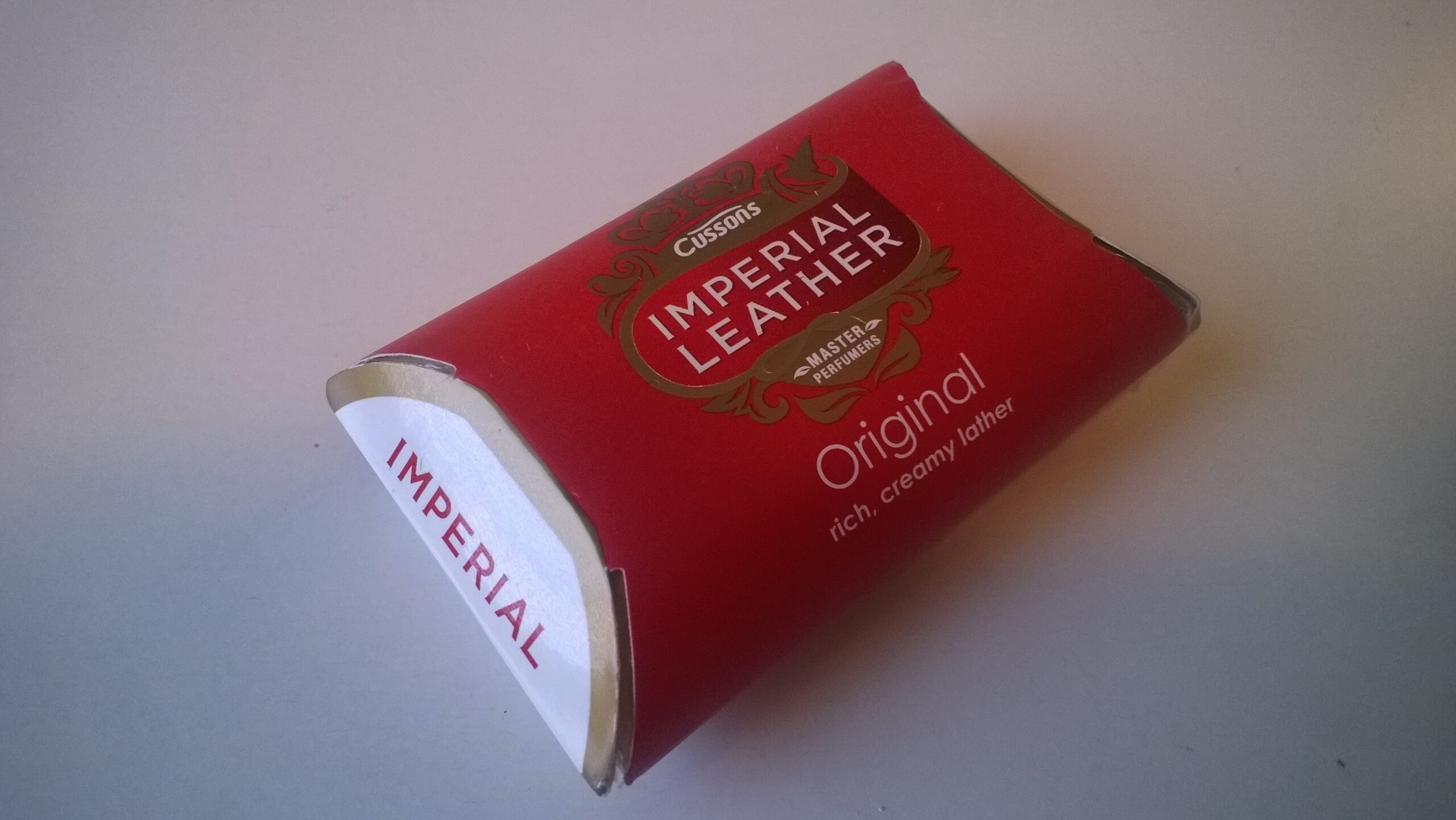
Image: A PZ Cussons Imperial Leather soap package, photographed in 2016. Archive product illustration; not a claim about current Nigerian packaging. Photo by Jni / Wikimedia Commons, licensed CC BY-SA 4.0. Original photograph; no editorial alterations.
