
Dangote Cement‘s route to 80 million tonnes of annual capacity now has a near-term checkpoint: the first 6-million-tonne phase of its Itori plant. The company’s September 21, 2026 Capital Markets Day presentation targets commissioning by the end of this year, making delivery at the Ogun State site an early test of the wider expansion programme.
The presentation filed with the Nigerian Exchange maps capacity growth from 55 million tonnes in 2025 to 80 million tonnes by 2030. That is an increase of roughly 45%. The first Itori phase accounts for six million tonnes of the planned 25-million-tonne addition, with a further six million tonnes at Itori included as a later phase.
These figures describe planned annual production capacity. They are not a sales forecast, and the commissioning target is not confirmation that the full plant is already operating commercially.
Itori is as much a logistics project as a factory
Dangote puts investment in the initial two-line Itori development at $800 million. The strategic attraction is its position in Ogun State, near existing cement operations and access routes to seaports. BusinessDay’s account of the London presentation reports management’s emphasis on exports to neighbouring markets and other operations across Africa.
That export emphasis changes the questions investors need to ask. Producing clinker or cement efficiently is only part of the economics. The material must also move from the factory to a port, be loaded, shipped and delivered at a cost that leaves an acceptable margin.
A new plant can therefore add physical capacity before it adds a comparable amount of profit. Commercial ramp-up, transport reliability and customer demand determine how much of the installed capacity is used. A slow ramp would spread fixed costs over fewer tonnes; stronger utilisation would work in the opposite direction.
There is also a product distinction. Shipping clinker to another grinding operation is different from selling finished cement to an independent customer. For group investors, the key measure is the resulting external sales and consolidated margin, rather than counting every movement between facilities as additional revenue.
The latest accounts provide the starting point
Dangote Cement enters this phase with an already sizeable earnings base. Its unaudited first-half 2026 financial statements show group revenue of ₦2.51 trillion, up 21.4% from ₦2.07 trillion in the comparable 2025 period. Profit after tax rose 22.7% to ₦638.53 billion.
The accounts also show why distribution deserves attention. Selling and distribution expenses increased to ₦401.85 billion from ₦321.39 billion. That is roughly 25% growth, faster than revenue. This does not by itself prove that individual delivery routes became less efficient, since volumes, distances and prices can all affect the expense. It does underline the financial importance of getting cement to customers.
For the new projects, a useful comparison will track incremental sales against the extra operating costs, depreciation and finance charges required to produce them. Rising headline revenue alone will not establish that each expansion has earned an adequate return on the capital committed.
Growth competes with other uses of cash
The Capital Markets Day materials outline approximately $4.5 billion of medium-term expansion capital expenditure and a preference for additions at existing plants and debottlenecking. They also set out an expected dividend payout of at least 80% of post-tax distributable net income, subject to shareholder approval, alongside a medium-term net-leverage objective below 1.5 times.
Those are management targets that must be delivered together. Building plants absorbs cash before the full earnings arrive. Dividend payments and debt servicing also make demands on the same resources. The pace of construction, the currency of spending and the cash generated by existing operations will shape how much flexibility remains.
Itori’s first phase is consequently the most immediate progress marker within a much longer programme. Investors can look for a confirmed commissioning announcement, evidence of production ramp-up, export shipments and the eventual contribution to cash flow. The 2030 ambition establishes the scale of the opportunity; the next few reporting periods should begin to show the cost and timing of turning it into operating results.
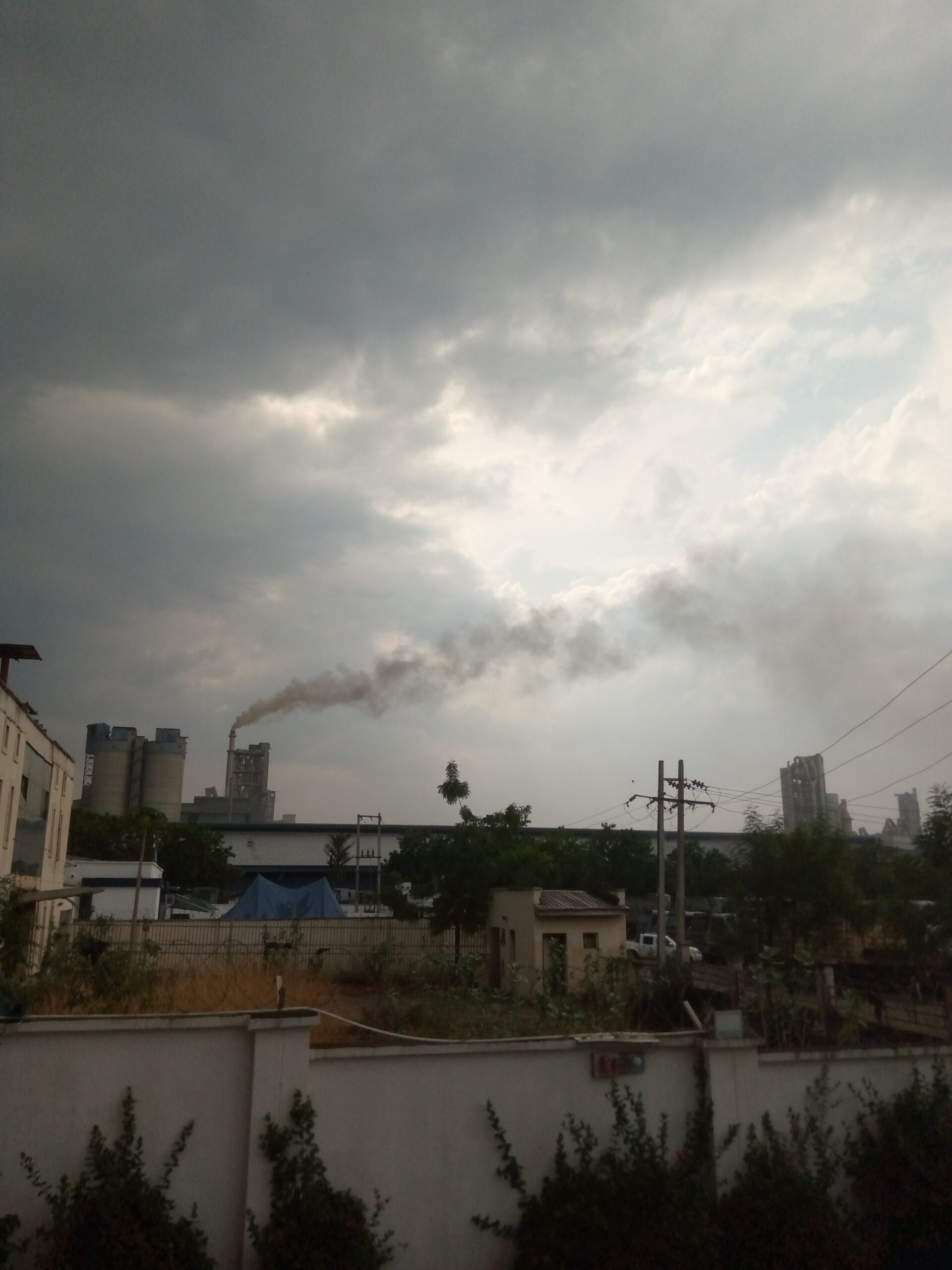
Image: Dangote Cement plant, Obajana, Kogi State, March 2023. Archive photograph, not the Itori plant. Photo by Abelidoko49 / Wikimedia Commons, licensed CC BY-SA 4.0. No local visual edits.
