
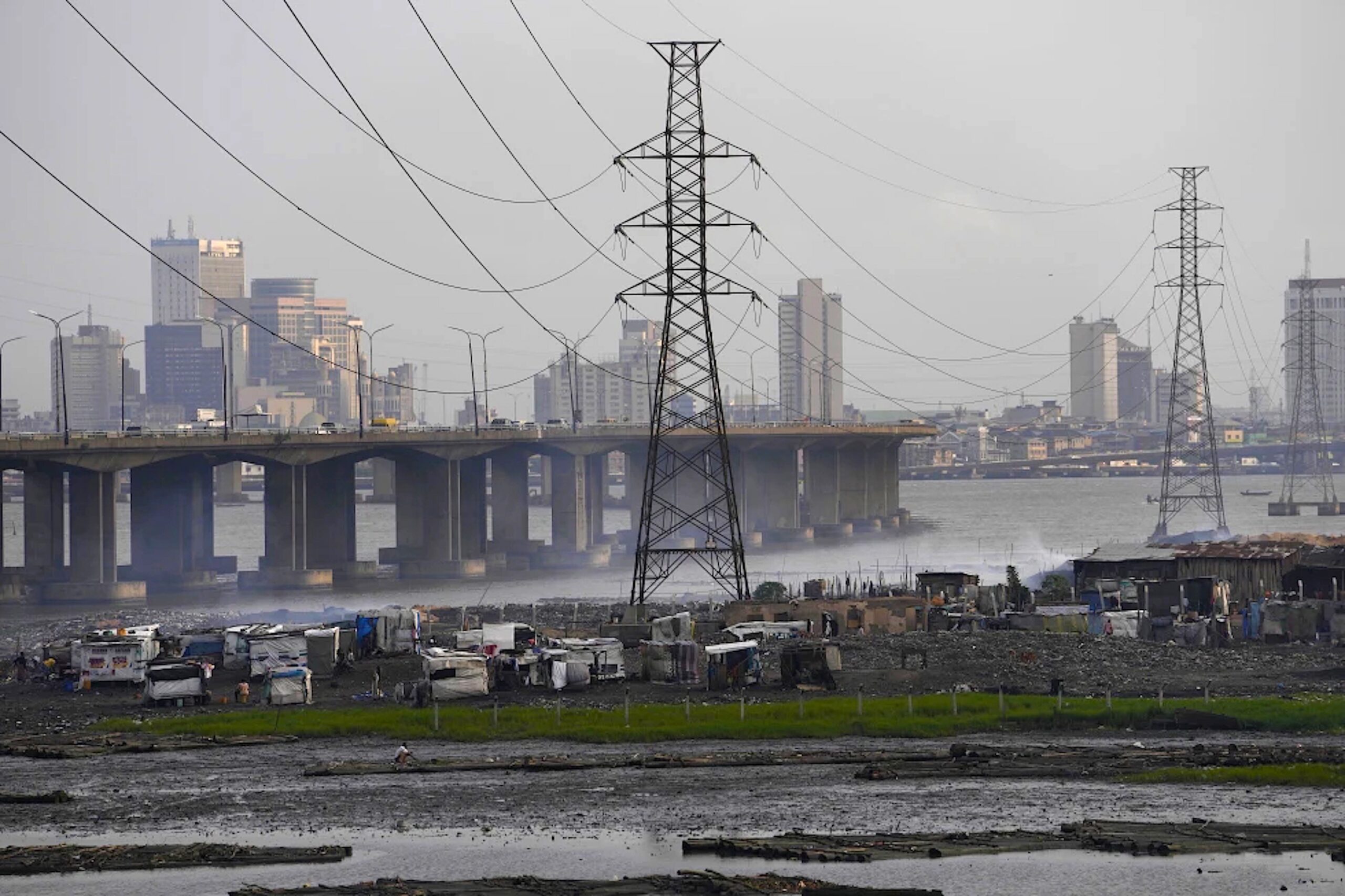
Lagos, Nigeria — Band A electricity consumers across Nigeria have expressed mounting frustration over deteriorating power supply following multiple national grid collapses. The recent outages have left many high-paying customers in urban centers enduring prolonged blackouts, despite being classified as priority consumers.
These concerns were aired during a press conference organized by the National Association of Electricity Consumers, where participants decried the widening gap between tariffs paid and services delivered.
Unfulfilled Promises to Premium Consumers
Band A consumers, who pay the highest tariffs in Nigeria’s electricity tariff system, were initially promised near-constant power supply of 20–24 hours per day. However, recent grid failures have left many areas with less than 12 hours of electricity daily, sparking public outcry.
“I don’t understand why we are paying premium rates for unreliable electricity,” said Ada Okafor, a Lagos-based entrepreneur. “We were told that grid collapses would reduce with privatization, but the reality is far from it.”
Impact on Businesses and Households
The power disruptions have severely affected small and medium enterprises (SMEs) and households that rely on steady electricity to operate efficiently. Many have resorted to alternative energy sources, such as generators and solar panels, increasing their operational costs.
According to a recent survey by the Manufacturers Association of Nigeria (MAN), power outages have cost businesses over ₦50 billion in losses this year alone.
Government’s Response
The Federal Government, through the Ministry of Power, has acknowledged the challenges but assured citizens of ongoing efforts to stabilize the grid. Power Minister Adebayo Adelabu announced plans to:
- Accelerate grid upgrades using funds from the World Bank and African Development Bank (AfDB)
- Expand Nigeria’s renewable energy capacity to reduce reliance on the grid
- Privatize additional transmission assets for better efficiency
“We understand the frustrations of Nigerians and are working tirelessly to ensure a more stable and reliable power supply,” Adelabu said during a recent briefing.
Experts Weigh In
Energy experts have attributed the frequent grid collapses to outdated infrastructure, insufficient investment, and poor maintenance culture. They advocate for decentralizing power generation to include more renewable and localized energy sources.
“There’s no quick fix to Nigeria’s power problems,” said Dr. Emmanuel Bamidele, an energy economist. “What we need is sustained investment in grid infrastructure and a long-term energy diversification plan.”
Conclusion
The plight of Band A customers underscores the pressing need for reforms in Nigeria’s power sector. While government initiatives hold promise, only consistent policy implementation and strategic investment can deliver the lasting change that Nigerians desperately seek.
For more updates on Nigeria’s energy challenges and reforms, stay connected to Naija Investing Hub.