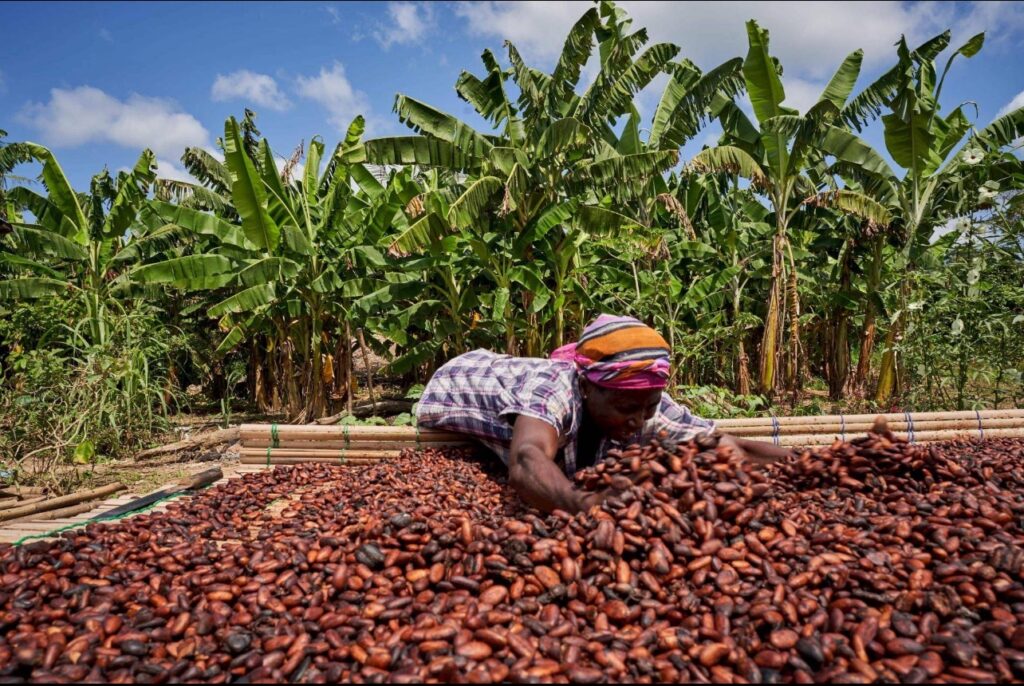
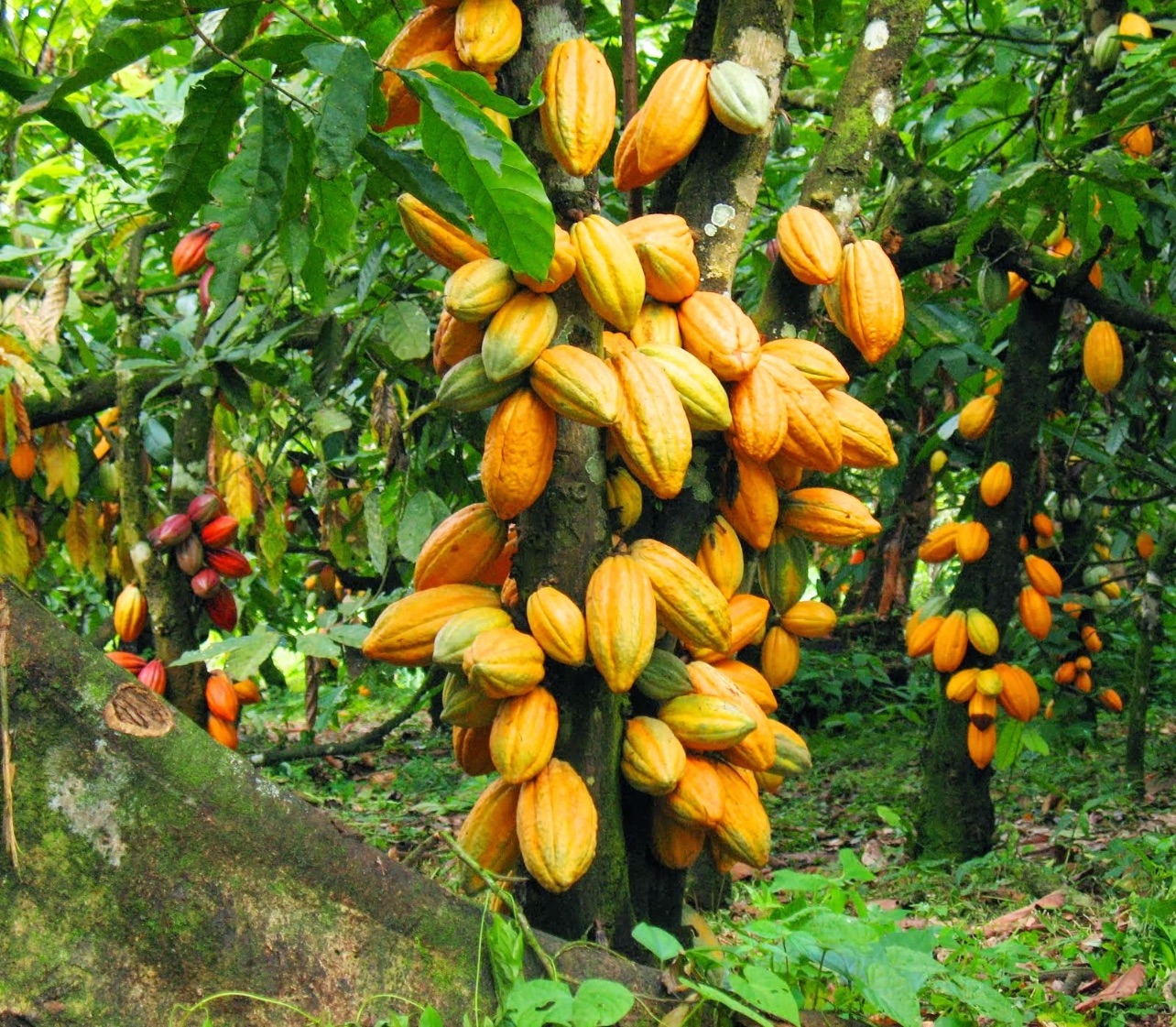
“In the global chocolate industry, the beans that fuel billion-dollar brands are now worth their weight in gold. With cocoa prices surging over 100% in 2024, Nigeria’s cocoa farmers have a golden opportunity to reap the benefits. Can the country rise to the occasion?”
In November 2024, global cocoa prices soared by 16%, culminating in a year-to-date increase of over 100%. This historic rise, driven by supply shortages in major producing countries, presents a golden opportunity for Nigeria to capitalize on its cocoa production capabilities. As the world’s fourth-largest cocoa producer, Nigeria can leverage this trend to bolster foreign exchange earnings, improve rural livelihoods, and strengthen its agricultural economy.
Global Cocoa Market Trends
• Rising Demand: Global demand for cocoa products, particularly in emerging markets like Asia and the Middle East, is surging due to growing consumer preferences for chocolate and cocoa-based products.
• Supply Crunch: Declining yields in major producers such as Ghana and Ivory Coast, caused by adverse weather conditions and aging farms, have created a significant supply gap that is driving up global cocoa prices.
Regional Highlights of Nigeria’s Cocoa Industry
1. Southwest Nigeria: The Cocoa Heartland
• Dominance: Oyo, Osun, Ondo, and Ekiti States account for over 70% of Nigeria’s cocoa output, thanks to fertile soils and established cocoa farming communities.
• Opportunities: With increased investment in processing facilities, these states could expand into value-added exports such as cocoa butter and chocolate.
2. Cross River and Edo States: Emerging Cocoa Hubs
• Growth: These states are gaining prominence for producing high-quality cocoa beans.
• Challenges: Limited infrastructure, including poor road networks and market access, hampers their full potential.
3. North-Central Potential
• Emerging Market: Kogi State shows promise for cocoa cultivation but remains underdeveloped.
• Opportunity: Expanding cocoa farming into this region could diversify production and reduce regional disparities.
Export Markets and Growth Opportunities
1. Europe
• Market Share: Europe is the largest importer of cocoa, with the Netherlands and Belgium serving as key processing hubs.
• Potential: Nigerian exporters can enhance their presence by adhering to strict quality standards and offering certified organic cocoa.
2. Asia
• Growth: Rising middle-class populations in China, India, and Indonesia are driving demand for chocolate and cocoa-based products.
• Potential: These emerging markets present untapped opportunities for Nigerian exporters looking to diversify trade partnerships.
3. North America
• Trends: The U.S. chocolate market is growing, especially for dark and organic chocolate.
• Potential: Nigerian exporters can leverage the U.S. market’s focus on ethically sourced, high-quality cocoa beans.
Strategies for Nigeria to Capitalize on the Boom
1. Boost Productivity
• Introduce modern farming techniques, improved seedlings, and fertilizers to increase yields.
• Establish training programs for farmers in key regions like Ondo and Cross River.
2. Invest in Value Addition
• Develop local cocoa processing industries to produce higher-value products such as cocoa powder, butter, and chocolate.
3. Improve Infrastructure
• Upgrade road networks and ports to reduce logistical costs and improve export quality.
4. Expand Market Access
• Diversify trade agreements, particularly with Asian countries, to reduce overreliance on European markets.
5. Facilitate Access to Finance
• Provide affordable loans and credit facilities to smallholder farmers, especially in emerging cocoa regions like Edo and Kogi.
6. Ensure Compliance with Global Standards
• Implement quality control measures and certifications to meet the requirements of high-value markets such as Europe and North America.
Challenges to Address
1. Aging Farms
• Many cocoa plantations are decades old, leading to reduced yields. Replanting programs are crucial to revitalizing the industry.
2. Climate Change
• Erratic rainfall and increasing temperatures threaten cocoa farming. Nigeria must adopt climate-resilient practices, such as drought-tolerant cocoa varieties.
3. Global Competition
• Producers like Ghana and Ivory Coast have more established supply chains and better market access, which Nigeria must match through strategic investments.
Lessons from Other Producers
Nigeria can draw inspiration from countries like Ghana, which has leveraged public-private partnerships to invest in modern farming techniques and infrastructure, and Indonesia, which has expanded into Asian markets with value-added cocoa products.
Conclusion: Seizing the Opportunity
The surge in global cocoa prices presents a transformative opportunity for Nigeria to redefine its role in the global cocoa market. By boosting productivity, investing in value-added processing, and exploring new export markets, the country can unlock significant economic growth while improving the livelihoods of millions of smallholder farmers.
Nigeria’s cocoa story isn’t just about beans; it’s about building a legacy for farmers and positioning the country as a global agricultural powerhouse.
Call to Action
How can Nigeria’s government, private sector, and farmers collaborate to maximize this opportunity? Share your thoughts on Naija Investing Hub.
Disclaimer
This article reflects market conditions as of November 2024 and is intended for informational purposes. For specific investment guidance or market insights, consult an agricultural export expert or trade analyst.