
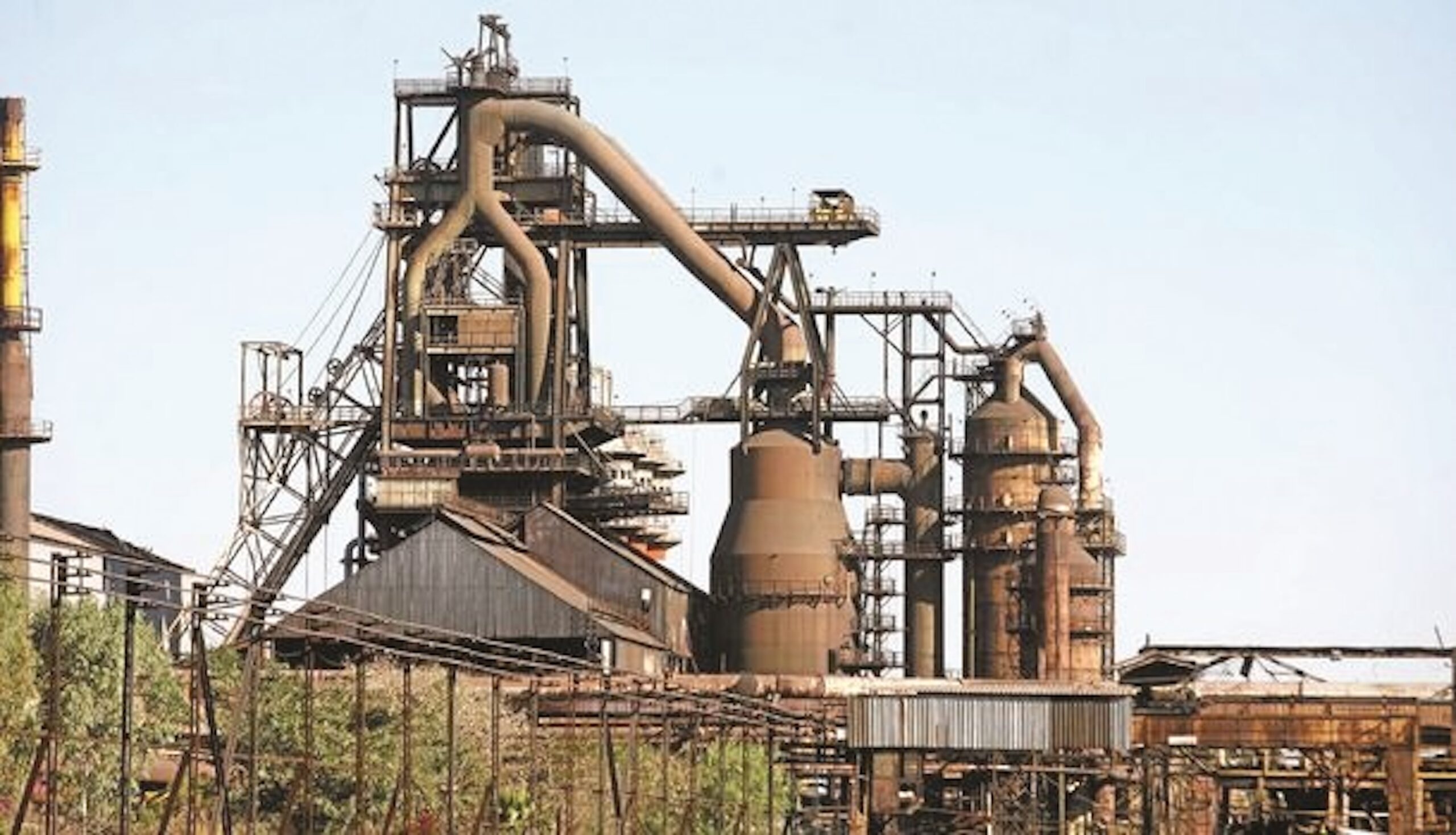
Did you know Nigeria spends over $3 billion annually on steel imports? Yet, the country’s most ambitious industrial project, the Ajaokuta Steel Company, remains dormant after decades of mismanagement. Could privatization finally revive this sleeping giant?
Background on Ajaokuta Steel Company
Established in 1979, the Ajaokuta Steel Company was envisioned as the cornerstone of Nigeria’s industrialization drive. Located in Kogi State, the massive complex was designed to produce steel for domestic consumption and export, reducing reliance on imports. However, decades of mismanagement, underfunding, and legal disputes have left the plant idle. This has cost the nation billions in potential revenue and left Nigeria’s steel industry trailing far behind its peers.
The Privatization Plan
The Federal Government recently announced plans to privatize the Ajaokuta Steel Company, signaling a strategic shift to revive the long-idle project. According to the Minister of Steel Development, the government aims to attract credible private sector investors with proven technical expertise and financial capacity. The plan involves selling a controlling stake in the company to ensure its operational viability.
This privatization process seeks to transform Ajaokuta into a commercially viable entity, contributing to Nigeria’s GDP while creating thousands of jobs.
Economic Prospects
If successfully revived, the Ajaokuta Steel Company could catalyze industrial growth across various sectors. Here’s how:
• Job Creation: Thousands of skilled and unskilled workers could be employed directly at the plant, with many more jobs created indirectly through supporting industries.
• Boosting Local Industries: Access to locally produced steel would reduce production costs for Nigerian manufacturers, making their goods more competitive globally.
• Reduction in Steel Imports: With $3 billion spent annually on steel imports, Ajaokuta’s operationalization could save significant foreign exchange and improve Nigeria’s trade balance.
• Infrastructure Development: Steel is a critical component for infrastructure projects. Reviving the plant could enhance the government’s ambitious infrastructure drive, including roads, railways, and housing.
Challenges and Risks
Despite its vast potential, the privatization process is not without hurdles. Key challenges include:
1. Regulatory Concerns: Clear, enforceable agreements must be established to prevent asset stripping by investors and ensure national interests are protected.
2. Infrastructure Gaps: The plant’s supporting infrastructure, including rail links, power supply, and water systems, requires substantial upgrades to enable seamless operations.
3. Investor Confidence: Past failures in the Nigerian steel sector have made investors cautious. Transparency and consistency in the privatization process will be critical.
4. Environmental Impact: Steel production is resource-intensive and could lead to significant environmental challenges if not managed with sustainable practices.
Recommendations for Success
To ensure the success of the privatization process, the government should:
• Partner with Global Steel Firms: Collaborate with reputable firms that have a proven track record in managing large-scale steel production.
• Establish an Independent Regulatory Body: An oversight agency should be created to monitor operations, enforce contracts, and address disputes.
• Address Infrastructure Bottlenecks: Priority should be given to upgrading power supply, transport links, and water systems to support the plant.
• Include Safeguards in Agreements: Privatization contracts should include clauses to protect national interests, such as job creation targets and environmental regulations.
Case Studies: Learning from Others
Countries like India and Brazil have successfully revitalized their steel industries through privatization. For example, India’s Tata Steel leveraged private investment to modernize its facilities, becoming a global leader in the steel sector. Nigeria can draw lessons from such success stories to tailor its approach.
Conclusion
The decision to privatize Ajaokuta Steel Company represents a bold move toward revitalizing Nigeria’s industrial base. With effective planning, transparent execution, and collaboration with global experts, this initiative could transform Nigeria’s steel industry, stimulate economic growth, and position the country as a regional leader in steel production.
The road ahead is challenging, but with the right steps, Ajaokuta could become a beacon of Nigeria’s industrial ambition.
Join the Conversation
What are your thoughts on the privatization of Ajaokuta Steel Company? Could this be the breakthrough Nigeria’s economy needs? Share your insights and join the discussion on Naija Investing Hub!
Disclaimer: This article is for informational purposes only and reflects current developments regarding the Ajaokuta Steel Company as of November 2024. For further inquiries or expert opinions, consult an industry specialist.
