
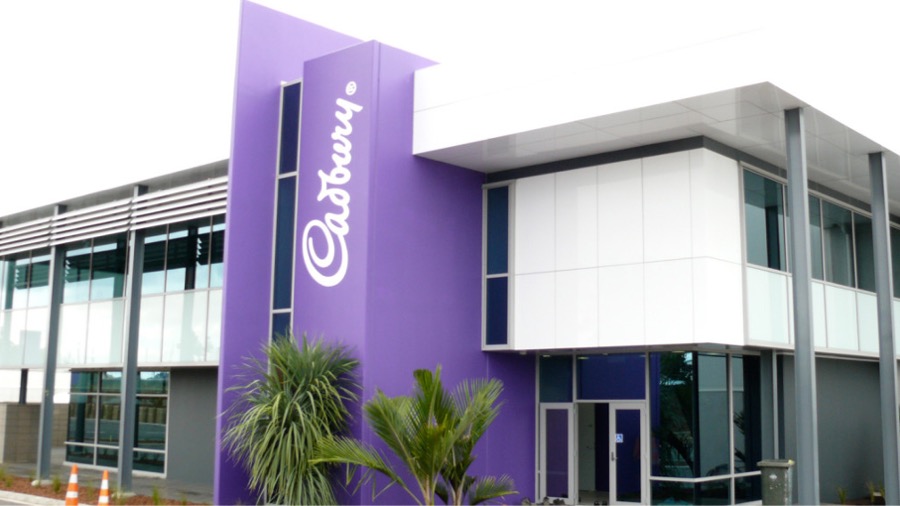
Cadbury Nigeria Plc, a subsidiary of Mondelez International, released its unaudited financial performance for the fiscal year 2024, showcasing a mixed bag of results. While the company made significant strides in revenue growth and equity improvement, challenges remain in achieving profitability. This article delves into the key financial metrics, highlights the factors driving the results, and provides insights into the company’s future trajectory.
Revenue: A Stellar 61% Growth
Cadbury Nigeria Plc recorded a revenue of ₦129.19 billion in 2024, marking an impressive 61% increase compared to ₦80.38 billion in 2023. This substantial growth underscores the company’s ability to capture market share and expand its reach despite challenging macroeconomic conditions.
- Drivers of Revenue Growth:
- Increased Consumer Demand: The company’s innovative marketing strategies and strong distribution network helped bolster demand across its product lines.
- Product Diversification: Cadbury’s ability to offer a mix of traditional and new products resonated well with consumers, contributing to higher sales volumes.
- Favorable Pricing Strategies: Amid inflationary pressures, Cadbury managed to balance price adjustments with consumer retention, enhancing topline growth.
Gross Profit: Marginal Increase Amid Rising Costs
Gross profit for the year stood at ₦17.49 billion, a slight increase from ₦17.34 billion in 2023. While revenue surged, the relatively small increase in gross profit reflects the pressure of rising input costs.
- Key Insights:
- Cost of Sales Impact: The company’s cost of raw materials and production expenses surged due to higher inflation and forex volatility, dampening gross profit margins.
- Operational Efficiency: Cadbury demonstrated resilience by optimizing supply chain operations and reducing waste, helping to sustain gross profit despite cost challenges.
Operating Profit: A 19% Decline
Operating profit for 2024 fell to ₦6.40 billion, representing a 19% decline compared to ₦7.87 billion in 2023. This drop indicates increased pressure on the company’s operating expenses.
- Reasons for the Decline:
- Higher Administrative Costs: Inflation-driven wage adjustments and increased logistics costs weighed heavily on operating expenses.
- Marketing Investments: Cadbury invested in aggressive marketing campaigns to maintain its competitive edge, which added to overall expenses.
- Currency Fluctuations: The naira’s depreciation increased costs for imported raw materials, further squeezing operating margins.
Loss Before Tax: A Recovery in Progress
Cadbury reported a loss before tax of ₦14.90 billion, a 47% improvement from the ₦28.15 billion loss in 2023. While the company remains unprofitable at the pre-tax level, the significant reduction in losses indicates that its cost-containment strategies are beginning to pay off.
- Factors Driving Improvement:
- Revenue Growth: The increased topline provided a buffer against operational inefficiencies.
- Cost Optimization: Strategic measures to reduce non-essential expenses and streamline operations contributed to the recovery.
- Debt Restructuring: Cadbury’s efforts to restructure its balance sheet helped mitigate financial pressures, reducing interest-related costs.
Net Loss: Signs of Recovery
The net loss for 2024 amounted to ₦10.43 billion, marking a notable recovery from the ₦19.09 billion loss recorded in 2023. The narrowing of net losses highlights Cadbury’s progress toward stabilizing its financial position.
- Contributing Factors:
- Focus on Core Products: By prioritizing high-margin product lines, Cadbury mitigated some of the losses stemming from rising costs.
- Strategic Partnerships: Collaborations with local suppliers helped reduce dependence on costly imports.
- Cost Reduction Initiatives: Efforts to lower overhead costs, including streamlining operations and renegotiating supplier contracts, positively impacted the bottom line.
Equity Performance: A Major Turnaround
One of the most remarkable aspects of Cadbury Nigeria’s 2024 performance was its significant improvement in equity. Total equity rebounded to ₦1.44 billion, reversing from negative equity in 2023.
- Share Capital Increase: The company’s share capital rose by 21% to ₦1.14 billion, driven by the conversion of intercompany loans to equity. This move not only bolstered the company’s financial stability but also signaled confidence from its parent company, Mondelez International, in Cadbury Nigeria’s long-term prospects.
- Implications of Equity Growth:
- Enhanced Investor Confidence: The improved equity position reduces financial risk and enhances investor sentiment.
- Access to Financing: A stronger equity base positions Cadbury to attract additional funding for expansion and innovation.
- Balance Sheet Stability: The equity turnaround strengthens the company’s overall financial health, creating a solid foundation for future growth.
Macroeconomic Challenges
Despite these improvements, Cadbury Nigeria continues to navigate a challenging macroeconomic environment:
- High Inflation: With an inflation rate of 34.80% as of December 2024, rising costs for raw materials and transportation remain a significant burden on profitability.
- Forex Volatility: The naira’s depreciation has increased the cost of imported inputs, affecting margins.
- Consumer Spending Power: Persistent economic pressures have limited the purchasing power of consumers, creating a tough operating environment for FMCG companies like Cadbury.
Sectoral Context
Within the broader Nigerian consumer goods sector, Cadbury Nigeria’s performance aligns with mixed results reported by other industry players:
- Revenue Growth: Similar to Cadbury, several companies have reported higher revenues due to inflation-driven price increases.
- Profitability Pressure: Rising input costs and forex challenges have eroded profitability margins across the sector.
Cadbury’s focus on innovation, cost optimization, and equity strengthening places it in a favorable position to capitalize on sector recovery trends.
Outlook for 2025
As Cadbury Nigeria enters 2025, several strategies could drive further improvements:
- Product Innovation: Introducing affordable, high-demand products tailored to the Nigerian market could help expand market share and boost revenues.
- Cost Management: Strengthening local supply chains and reducing reliance on imports will be critical to mitigating forex risks.
- Operational Efficiency: Leveraging technology and process optimization can reduce costs and enhance profitability.
- Market Expansion: Expanding distribution networks and exploring export opportunities could unlock new revenue streams.
Conclusion
Cadbury Nigeria Plc’s unaudited 2024 financial results paint a picture of resilience and gradual recovery. The company achieved remarkable revenue growth and a significant equity turnaround, showcasing its ability to adapt to challenging conditions. However, sustained profitability remains a hurdle, with operating and net losses continuing to impact overall performance.
Investors and stakeholders will be keen to see how Cadbury builds on its 2024 achievements in the coming year. By addressing cost challenges and focusing on innovation, the company is well-positioned to navigate the complexities of Nigeria’s dynamic economic landscape and deliver stronger results in 2025.
Stay informed with Naija Investing Hub for more in-depth financial insights and updates on Cadbury Nigeria Plc and other key players in the market!
