
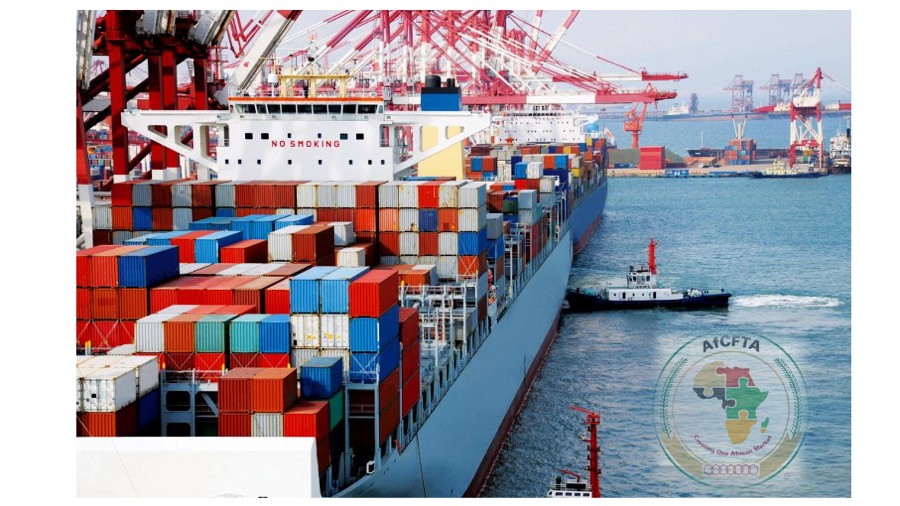
Ghana has taken a significant step towards enhancing intra-African trade by joining the African Continental Free Trade Area (AfCFTA) Digital Platform. This initiative aims to streamline trade processes, reduce barriers, and position Ghana as a hub for regional commerce. Below is an in-depth exploration of Ghana’s integration into the platform, its implications for trade, and potential challenges.
What is the AfCFTA Digital Platform?
The African Continental Free Trade Area (AfCFTA) Digital Platform is a transformative initiative aimed at revolutionizing trade processes across Africa. It serves as a critical enabler for seamless intra-African trade under the AfCFTA agreement, which aims to create the world’s largest free trade area by eliminating barriers to trade among African nations. Below is a view of the platform’s core functionalities and its potential impact:
1. Streamline Trade Processes
- Digitization of Documentation: The platform replaces traditional paper-based trade systems with a fully digital interface, reducing time and costs associated with handling physical documents.
- Unified Customs Procedures: By integrating customs systems across member states, the platform ensures that tariffs, duties, and required documentation are consistent and easy to process.
- Simplified Logistics: End-to-end digital tracking of goods from origin to destination minimizes delays caused by manual interventions at borders.
2. Enhance Connectivity
- Business Linkages: The platform connects buyers and sellers across the continent, creating a robust marketplace where businesses can find suppliers, distributors, and partners.
- Cross-Border E-Commerce: It provides a critical boost to African e-commerce by enabling small and medium-sized enterprises (SMEs) to participate in cross-border trade seamlessly.
- Sector Integration: By aligning industries such as agriculture, manufacturing, and services, the platform promotes the creation of regional value chains that span multiple countries.
3. Increase Transparency
- Real-Time Data Access: Traders can access up-to-date information on tariffs, trade policies, non-tariff barriers, and market trends through a centralized database.
- Fraud Reduction: Automated processes and digital records reduce the likelihood of corruption and fraud, which have historically plagued trade in many regions.
- Policy Monitoring: Governments and stakeholders can track compliance with trade agreements, ensuring that all parties adhere to AfCFTA protocols.
4. Foster Inclusivity
- SME Empowerment: Small and medium-sized businesses, often excluded from international trade due to high costs and complex processes, can now participate more effectively in regional trade.
- Youth and Women Entrepreneurs: The platform creates opportunities for traditionally marginalized groups, including women and young entrepreneurs, by providing tools and access to larger markets.
5. Reduce Costs and Delays
- Lower Trade Costs: Automated processes significantly reduce transaction costs, making goods more affordable and competitive within the continent.
- Faster Border Crossings: Digital integration of customs and border control processes eliminates bottlenecks, cutting down waiting times and ensuring smoother transportation of goods.
6. Drive Economic Integration
- Continental Trade Expansion: By facilitating trade within Africa, the platform supports the AfCFTA’s broader goal of increasing intra-African trade from its current level of approximately 15% to over 50% by 2030.
- Supply Chain Efficiency: Companies across different regions can coordinate production and distribution, leading to more efficient supply chains and reduced reliance on imports from outside the continent.
By digitizing trade processes, the platform addresses logistical inefficiencies that have historically hindered regional commerce.
Ghana’s Strategic Role in AfCFTA
- Host of AfCFTA Secretariat:
- Ghana is home to the AfCFTA Secretariat, underscoring its commitment to the trade pact.
- This positioning allows Ghana to play a pivotal role in setting the agenda for regional trade facilitation.
- Trade Leadership in West Africa:
- Ghana’s economy is one of the most diversified in the region, with key sectors including agriculture, mining, and services.
- By leveraging the platform, Ghana aims to increase exports of cocoa, gold, and processed goods to other African nations.
- Infrastructure Advancements:
- Ongoing upgrades at ports such as Tema and Takoradi enhance Ghana’s capacity to handle increased trade volumes.
- The construction of cross-border roads and railways aligns with the goals of AfCFTA.
Benefits for Ghana
- Boost to Exports:
- Ghanaian exporters will gain improved access to a market of over 1.3 billion people across Africa.
- Products such as processed cocoa, textiles, and machinery are expected to see increased demand.
- Job Creation:
- Greater trade activity is projected to create thousands of jobs in manufacturing, logistics, and services.
- SMEs, which constitute a significant portion of Ghana’s economy, are expected to benefit from lower barriers to trade.
- Digital Economy Growth:
- The digital platform will promote e-commerce by connecting Ghanaian businesses to continental buyers.
- Initiatives like the Ghana National Single Window system will integrate seamlessly with AfCFTA’s digital tools.
Challenges Ahead
- Infrastructure Gaps:
- While Ghana has made strides in improving its infrastructure, logistical bottlenecks persist, particularly in rural areas.
- Efficient integration of road, rail, and port systems will be crucial for success.
- Policy Alignment:
- Ghana needs to harmonize its trade policies with AfCFTA requirements, including tariff adjustments and regulatory reforms.
- Delays in these processes could hinder the country’s full participation.
- Technology Access:
- Ensuring widespread internet access and digital literacy remains a priority to fully leverage the platform.
- Government-led initiatives, such as expanding 4G and introducing 5G networks, will be critical.
- Competition:
- While AfCFTA promotes trade, it also increases competition among member states. Ghanaian businesses must enhance their competitiveness to thrive.
Regional Impact
- West African Trade:
- Ghana’s participation could strengthen trade within the Economic Community of West African States (ECOWAS), facilitating closer ties with neighbors like Nigeria and Côte d’Ivoire.
- By reducing non-tariff barriers, the platform can drive regional value chains, particularly in agriculture and manufacturing.
- Continental Growth:
- Ghana’s active role in AfCFTA could catalyze broader adoption of the digital platform across Africa.
- Increased trade efficiency and reduced transaction costs could collectively add $450 billion to Africa’s GDP by 2035.
Government and Private Sector Collaboration
- Policy Support:
- Ghana’s government has pledged to streamline customs and regulatory processes, ensuring smoother trade flows.
- Public-private partnerships are being explored to fund trade-related infrastructure.
- Capacity Building:
- Programs are underway to train SMEs and exporters on using the AfCFTA digital tools effectively.
- Collaboration with international organizations, such as the African Development Bank (AfDB), is enhancing capacity-building efforts.
Future Outlook
- Increased Trade Volumes:
- Analysts predict Ghana’s trade volumes could increase by 25-30% within the next five years due to AfCFTA integration.
- Agricultural and industrial goods are likely to drive this growth.
- Technological Innovation:
- Ghana’s leadership in digital trade could pave the way for the adoption of blockchain and AI in cross-border transactions.
- These technologies would further enhance transparency and efficiency.
- Economic Diversification:
- The platform could encourage Ghana to diversify its exports, moving away from reliance on raw materials to higher-value products.
