
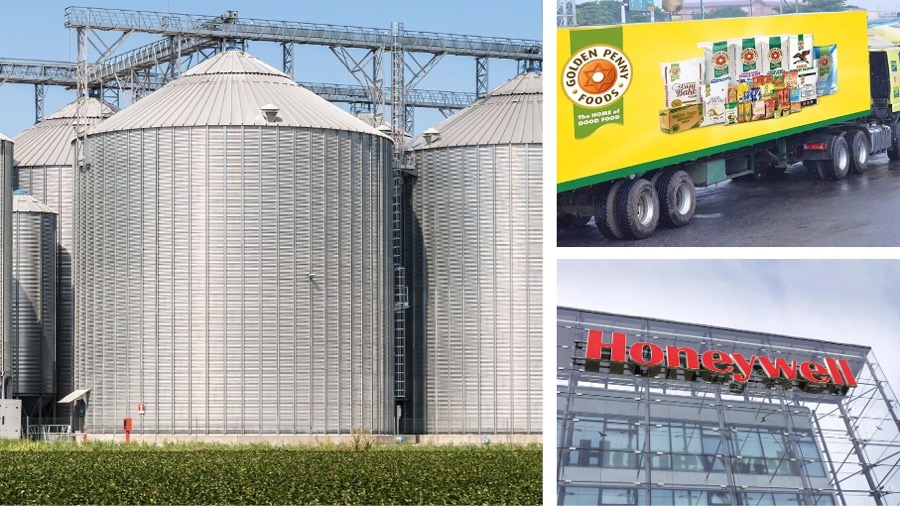
(Unaudited Interim Financial Statements for the 3rd Quarter Ended December 31, 2024)
Key Financial Metrics
- Revenue: ₦277.06 billion (Q3 2025) vs. ₦123.99 billion (Q3 2024) → 123% growth
- Gross Profit: ₦28.49 billion (Q3 2025) vs. ₦23.48 billion (Q3 2024) → 21% growth
- Profit Before Tax (PBT): ₦12.28 billion (Q3 2025) vs. ₦(8.83) billion loss (Q3 2024)
- Net Profit After Tax: ₦8.75 billion (Q3 2025) vs. ₦(9.23) billion loss (Q3 2024)
- Earnings Per Share (EPS): 110.34 kobo (Q3 2025) vs. ₦(116.39) kobo (Q3 2024)
- Total Assets: ₦167.98 billion (Dec 2024) vs. ₦148.97 billion (Mar 2024)
Honeywell Flour Mills Plc achieved a remarkable 123% revenue growth, with strong sales in flour, pasta, and semolina products, benefiting from increased consumer demand and expanded distribution channels. The company’s ability to scale production while maintaining cost efficiency allowed it to capitalize on favorable market conditions. This revenue surge was further supported by price optimization strategies and enhanced supply chain management, ensuring that increased sales volumes translated into higher profit margins.
Additionally, investments in operational efficiencies, automation, and production capacity expansion played a key role in improving profitability. By reducing production bottlenecks and streamlining logistics, Honeywell Flour Mills Plc was able to manage input costs effectively despite inflationary pressures. This combination of strategic pricing, improved sales distribution, and disciplined cost management led to a significant recovery in profitability, marking a shift from losses in 2024 to a ₦8.75 billion net profit in Q3 2025, demonstrating the company’s resilience and strong financial turnaround.
Operational Highlights & Cost Management
- Cost of Sales: ₦248.58 billion (Q3 2025) vs. ₦100.51 billion (Q3 2024)
- Selling & Administrative Expenses: ₦8.92 billion (Q3 2025) vs. ₦4.08 billion (Q3 2024)
- Net Finance Cost: ₦9.73 billion (Q3 2025) vs. ₦28.50 billion (Q3 2024)
- Foreign Exchange Gain/Loss: ₦(8.56) billion (Q3 2025) vs. ₦(20.19) billion (Q3 2024)
- Trade Receivables: ₦9.96 billion (Dec 2024) vs. ₦2.40 billion (Mar 2024)
The company faced a rise in cost of sales and selling & administrative expenses, primarily due to inflationary pressures and increased production costs. However, net finance costs declined significantly, reflecting lower borrowing expenses and improved foreign exchange management.
Strategic efforts to mitigate currency risks have helped reduce foreign exchange losses from ₦20.19 billion in Q3 2024to ₦8.56 billion in Q3 2025.
Capital Expenditures & Shareholder Returns
- Total Equity: ₦31.95 billion (Dec 2024) vs. ₦22.86 billion (Mar 2024)
- Borrowings: ₦31.12 billion (Dec 2024) vs. ₦33.57 billion (Mar 2024)
- Cash & Cash Equivalents: ₦8.46 billion (Dec 2024) vs. ₦5.07 billion (Mar 2024)
- Dividend Declared: None for Q3 2025
The company’s total equity improved by 40%, demonstrating stronger financial stability and reinforcing investor confidence in its ability to sustain long-term growth. This increase in equity was primarily driven by a combination of higher retained earnings, efficient cost management, and strong revenue performance, which allowed the company to enhance its financial strength.
Borrowings declined by 7%, reflecting better debt management, as the company strategically reduced its reliance on external financing while ensuring adequate liquidity to support ongoing operations and future capital expenditures. This reduction in debt obligations also translated into lower finance costs, thereby improving overall net profitability.
With an increase in cash reserves to ₦8.46 billion, Honeywell Flour Mills Plc is in a stronger liquidity position for potential future expansion. The company has allocated part of its cash reserves toward working capital improvements, supply chain enhancements, and expansion projects to increase production capacity. Additionally, these reserves provide a financial cushion to navigate market uncertainties and allow flexibility in making strategic investments that will drive sustainable growth in the coming years.
Management Commentary
Key Takeaways:
- Record revenue growth fueled by high consumer demand for flour, pasta, and semolina.
- Profitability restored after cost management and price adjustments.
- Foreign exchange fluctuations remain a challenge, but the company is implementing hedging strategies to minimize risk.
- Efforts to expand market presence are underway, including investment in distribution networks and product innovation.
Strategic Initiatives:
- Investment in production capacity to support increasing demand.
- Enhancing digital transformation for improved operational efficiency.
- Strengthening foreign exchange hedging strategies to mitigate currency risk.
- Developing new product lines to diversify revenue streams.
Outlook for 2025
Honeywell Flour Mills Plc is optimistic about continued revenue growth in 2025, driven by:
- Expansion of product offerings in flour, noodles, and pasta.
- Cost control measures to sustain profitability.
- Infrastructure investments to enhance production efficiency.
- Ongoing risk management strategies to navigate foreign exchange volatility.
The company’s focus on scalability, operational efficiency, and market expansion will further solidify its competitive positioning in Nigeria’s fast-moving consumer goods sector.
Conclusion
Honeywell Flour Mills Plc delivered a strong financial turnaround in Q3 2025, with triple-digit revenue growth and a return to profitability. This achievement underscores the company’s resilience in navigating macroeconomic challenges, including rising inflation, supply chain disruptions, and currency fluctuations.
By leveraging operational efficiencies and optimizing raw material sourcing, the company effectively balanced cost increases while maintaining strong product demand. Expansion in distribution networks, supply chain improvements, and pricing strategies contributed to a more stable financial outlook.
Despite challenges such as rising costs and foreign exchange risks, Honeywell Flour Mills Plc remains well-positioned for sustained growth in 2025, driven by continued market expansion, digital transformation in logistics, and innovative product diversification. The company aims to further solidify its market position through infrastructure investments, automation of production processes, and expansion into untapped regional markets, ensuring long-term financial sustainability and shareholder value creation.
