
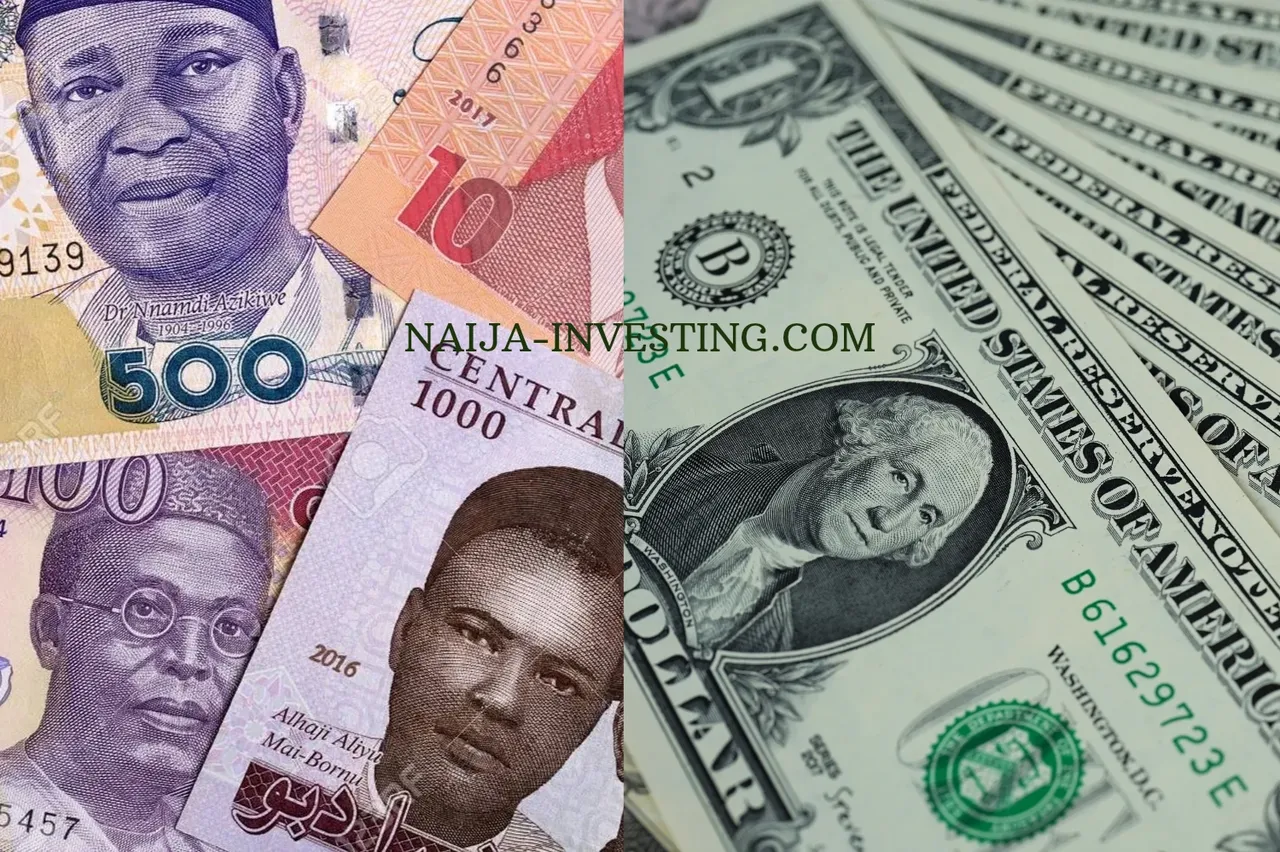
The U.S. retail sector has been making headlines with its recent resilience, as retail sales rose by 0.4% in October 2024. While this growth highlights the strength of the U.S. economy, it also carries significant implications for emerging markets like Nigeria, particularly for the naira’s exchange rate against the U.S. dollar.
This article unpacks the key dynamics of how U.S. retail trends and monetary policies ripple across borders to influence Nigeria’s currency and broader economy.
The U.S. Dollar Strength: A Double-Edged Sword for Emerging Economies
The robust performance of the U.S. retail sector is a signal of a thriving economy. However, this strength often leads to tighter monetary policies by the Federal Reserve, including higher interest rates. These changes can impact the Nigerian naira in several ways:
1. Capital Outflows from Emerging Markets:
• Higher U.S. interest rates make dollar-denominated assets more attractive to investors, leading to capital outflows from emerging markets like Nigeria. This reduces the demand for the naira and pressures its value against the dollar.
2. Dollar Appreciation:
• The strengthening U.S. dollar increases the cost of imports for Nigeria, raising inflationary pressures and weakening the naira further.
How Does This Affect Nigeria’s Economy?
1. Oil Revenues and Trade Balance
Nigeria is an oil-dependent economy, and the strength of the U.S. dollar directly impacts global oil prices. While strong U.S. retail sales might boost demand for oil, a stronger dollar makes oil more expensive for non-dollar buyers, potentially dampening global demand. For Nigeria, this could mean lower revenues despite higher oil prices.
2. Inflationary Pressures
The rising cost of imports due to dollar appreciation often translates into higher prices for goods and services in Nigeria. This erodes consumer purchasing power and increases economic strain, especially for lower-income households.
3. Parallel Market Impact
Nigeria’s official foreign exchange market is tightly regulated, but the parallel market often reflects the real demand-supply dynamics. As of November 2024, the official exchange rate stands at around ₦1,676.55 per dollar, while parallel market rates exceed ₦1,400 per dollar. This growing disparity highlights the challenges in maintaining exchange rate stability.
What Can Be Done?
1. Diversify Nigeria’s Revenue Streams
Reducing reliance on oil revenues is critical. Investments in agriculture, technology, and manufacturing can help stabilize the naira and protect the economy from external shocks.
2. Improve Dollar Supply
The Central Bank of Nigeria (CBN) can explore policy measures to attract foreign investments and remittances, boosting the supply of dollars in the economy.
3. Encourage Local Production
Reducing dependence on imports by promoting local industries can help mitigate the impact of a strong dollar on Nigeria’s inflation and trade balance.
Opportunities for Nigerian Investors
While the current situation presents challenges, it also creates opportunities for savvy investors:
• Invest in Dollar-Denominated Assets: Nigerians with access to dollar-based investments, such as foreign equities or ETFs, can hedge against naira depreciation.
• Monitor Oil and Commodities Markets: Staying informed about global oil trends can help investors make informed decisions, especially in the energy sector.
• Leverage Forex Opportunities: Traders with experience in forex markets may benefit from volatility by trading the naira against the dollar.
Final Thoughts
The strength of U.S. retail sales underscores the interconnectedness of global economies. For Nigeria, it serves as a reminder of the importance of robust economic policies and diversification to mitigate the impact of external shocks. While challenges remain, strategic investments and proactive economic planning can help stabilize the naira and position Nigeria for long-term growth.
Stay informed about Nigeria’s economic landscape and investment opportunities by visiting Naija-Investing.com. Together, we can navigate the complexities of today’s market and build a more secure financial future.
