
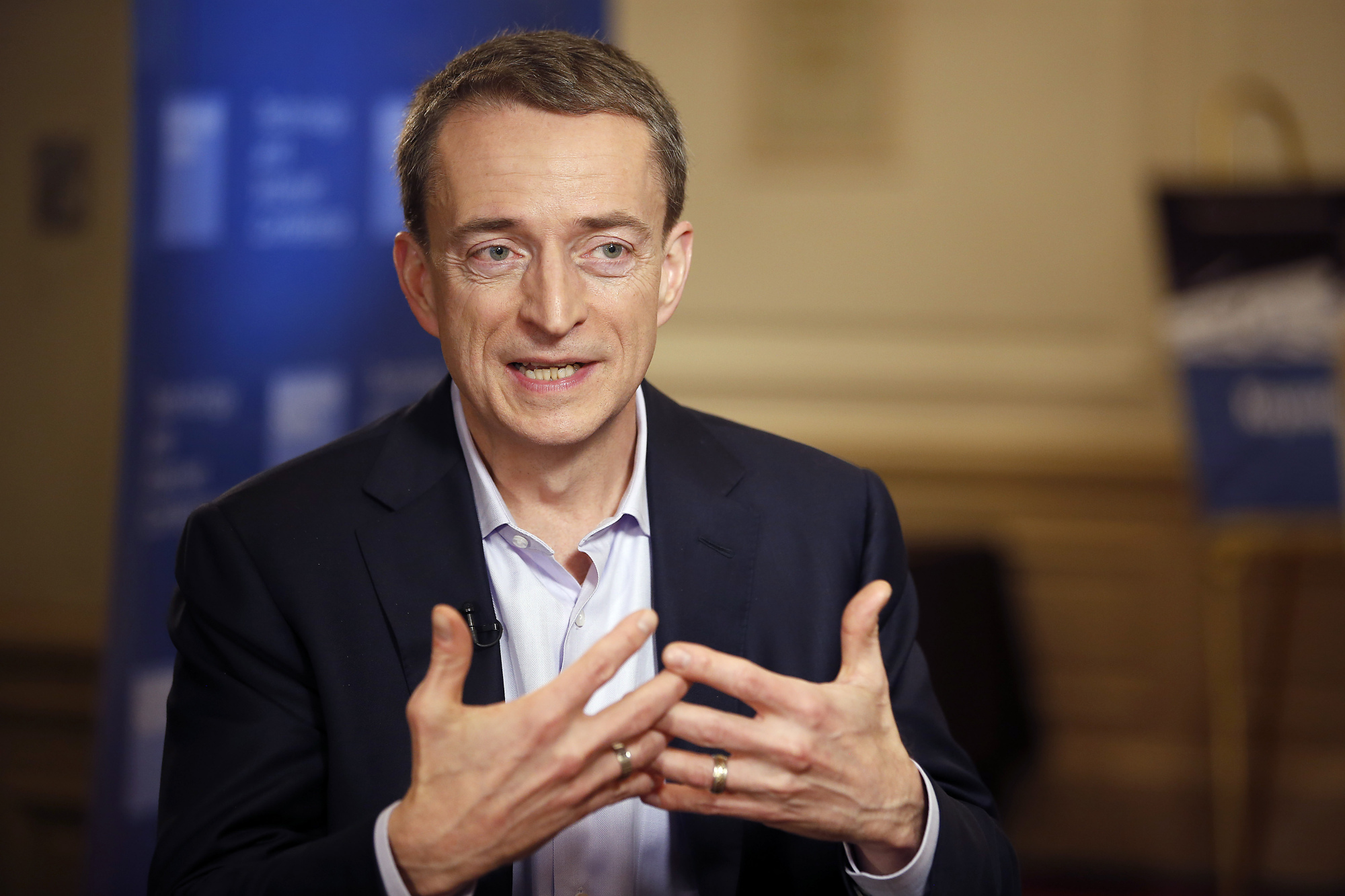
Intel Corporation, one of the most iconic names in the semiconductor industry, announced a significant leadership change as CEO Pat Gelsinger stepped down on December 1, 2024. The decision marks a pivotal moment for the company as it strives to regain its competitive edge in the global chip market and restore investor confidence.
Transition at the Helm
Gelsinger, who first joined Intel in 1979 and served as its Chief Technology Officer before leaving in 2009, returned as CEO in February 2021. During his tenure, Intel aimed to reclaim its position as a leader in semiconductor manufacturing, focusing on ambitious initiatives to improve its foundry capabilities and regain technological leadership.
However, Gelsinger’s efforts were met with mixed success. Under his leadership, Intel faced stiff competition from industry giants such as AMD, NVIDIA, and Taiwan Semiconductor Manufacturing Company (TSMC). These challenges were compounded by a 61% decline in Intel’s stock price, ultimately leading to its removal from the Dow Jones Industrial Average earlier this year.
In the wake of Gelsinger’s departure, Intel’s board has appointed Chief Financial Officer David Zinsner and Michelle Johnston Holthaus, a senior executive, as interim co-chief executive officers. The board is actively searching for a permanent replacement to lead the company through this critical phase.
Investor Reaction
The announcement of Gelsinger’s departure spurred a 4% increase in Intel’s stock during premarket trading, reflecting a positive market reaction. Investors appear optimistic that a leadership change could bring a fresh strategic direction to the struggling chipmaker.
The Road Ahead
Intel’s challenges are far from over. The company is under pressure to bolster its manufacturing prowess and establish itself as a leading global semiconductor foundry. This transition comes amidst a rapidly evolving technological landscape where competitors are setting new benchmarks in performance, efficiency, and innovation.
The leadership change underscores Intel’s commitment to addressing these challenges head-on. The board’s decision to explore new leadership reflects an acknowledgment of the urgency required to implement strategic changes and regain its position in the semiconductor hierarchy.
Legacy and Future Prospects
Pat Gelsinger leaves behind a mixed legacy at Intel. While his return brought a renewed focus on technology and engineering excellence, the results have not yet matched expectations. As the company searches for a new leader, the focus will likely remain on innovation, operational efficiency, and rebuilding market share.
Intel’s success in overcoming its current obstacles will not only shape the company’s future but also influence the broader semiconductor industry, which is increasingly pivotal to global technology and economic growth.
