
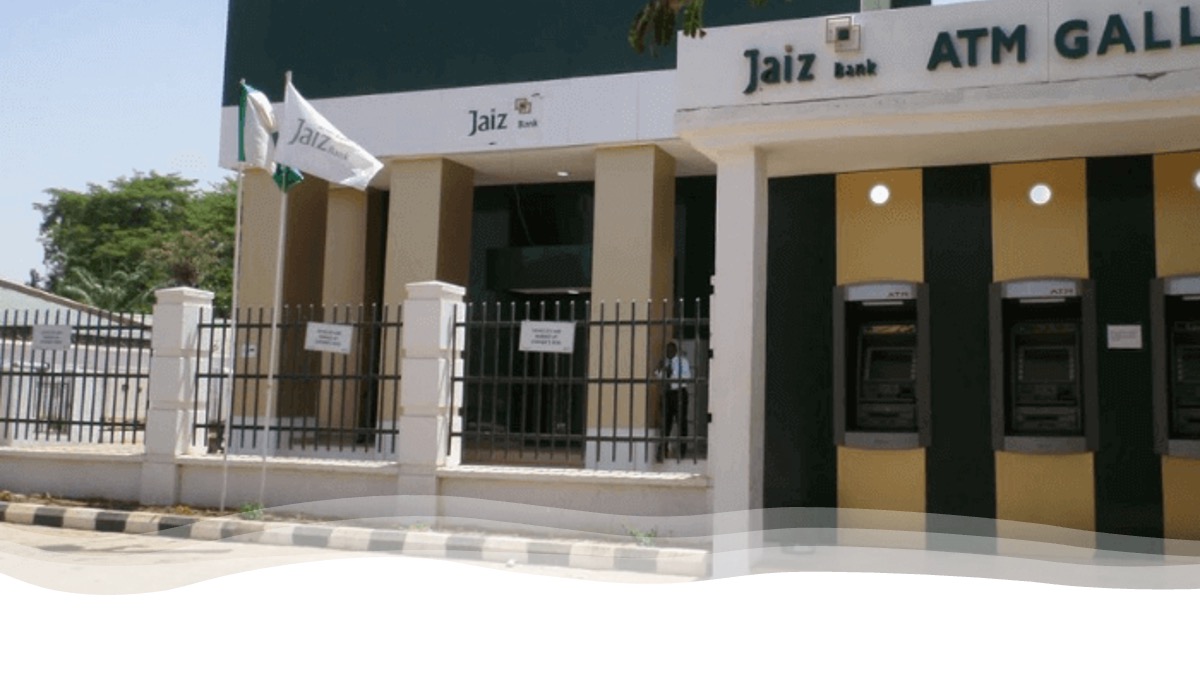
Introduction: A Bold Entrance into Nigeria’s Financial Landscape
Jaiz Bank, the first and only fully-fledged Islamic bank in Nigeria, has carved a unique niche in the nation’s financial sector since its establishment in 2011. Operating under the principles of Sharia law, the bank prohibits interest-based transactions, focusing instead on profit-sharing arrangements. This revolutionary model has not only deepened financial inclusion but also resonated with a significant portion of Nigeria’s population seeking ethical banking solutions. But as it faces a dynamic economic landscape and increasing competition, can Jaiz Bank scale its operations to dominate Nigeria’s financial market?
The Pioneering Role: A Decade of Sharia-Compliant Leadership
Jaiz Bank’s journey began in 2003, but it wasn’t until 2011 that it received a full banking license from the Central Bank of Nigeria. From the outset, the bank aimed to fill a gap in the market for interest-free, ethically guided financial services. Some of its key milestones include:
- Expanding Customer Base: With a focus on underserved segments of the population, Jaiz Bank has driven financial inclusion, especially in rural and predominantly Muslim communities.
- Innovative Products: The bank introduced products like Murabaha (cost-plus financing) and Ijara (leasing), catering to businesses and individuals adhering to Islamic financial principles.
- Financial Performance: By 2024, Jaiz Bank had recorded significant growth in both assets and market presence. Its focus on ethical financing aligns with global trends toward sustainable banking.
Despite being a pioneer, Jaiz Bank faced skepticism initially. However, as financial literacy about Islamic banking grew, so did customer confidence, enabling steady growth.
Growth Metrics: Strong Performance Amid Challenges
Jaiz Bank’s financial journey reflects resilience and growth:
- Financial Performance: In 2023, Jaiz Bank reported a gross earnings increase of 15%, reaching ₦33 billion. Net profit also rose significantly, a testament to its efficient management and strong customer base.
- Customer Base Expansion: The bank now serves over 2 million customers across 44 branches nationwide, with a strong presence in northern Nigeria.
- Loan Portfolio: Its non-interest financing portfolio, comprising Murabaha and Sukuk (Islamic bonds), has shown consistent growth, catering to small businesses and infrastructure projects.
These metrics highlight Jaiz Bank’s potential to grow, but scalability hinges on navigating significant hurdles.
Scalability Potential: Opportunities Abound
Nigeria’s financial landscape offers a fertile ground for Jaiz Bank’s expansion. Key factors supporting scalability include:
- Market Size: With a population exceeding 200 million, Nigeria presents immense opportunities for Islamic banking. A significant portion of this population remains unbanked or underbanked.
- Regulatory Support: Nigeria’s government has shown interest in diversifying its financial services, with initiatives to promote non-interest banking.
- Digital Transformation: Jaiz Bank’s investments in digital banking platforms could allow it to reach tech-savvy millennials and Gen Z populations, a growing demographic in Nigeria.
Additionally, underserved regions, particularly in southern Nigeria, present untapped markets where Jaiz Bank could establish a presence.
Challenges to Scaling: The Roadblocks Ahead
Despite its potential, Jaiz Bank faces challenges that could hinder its scalability:
- Public Awareness: Islamic banking is still misunderstood by a large segment of the population, limiting its adoption.
- Competition: Conventional banks and fintech companies are rapidly expanding their offerings, including microfinance and digital wallets, posing stiff competition.
- Economic Volatility: Nigeria’s economic challenges, including high inflation rates (over 34% as of November 2024), could affect disposable income and loan repayments.
- Operational Constraints: With 44 branches, Jaiz Bank’s physical reach remains limited compared to conventional banks operating hundreds of branches nationwide.
Conclusion: Can Jaiz Bank Scale?
Jaiz Bank has successfully introduced Islamic banking to Nigeria, establishing a growing customer base and delivering impressive financial results. Its model aligns with global shifts towards ethical and sustainable finance. However, scaling its operations will require overcoming significant challenges, from public education to expanding its digital and physical footprint.
To truly dominate Nigeria’s financial market, Jaiz Bank must leverage its unique value proposition, capitalize on technological advancements, and continue advocating for the benefits of Islamic finance. With the right strategy, it could redefine banking in Nigeria, setting a global benchmark for Islamic financial services.
