
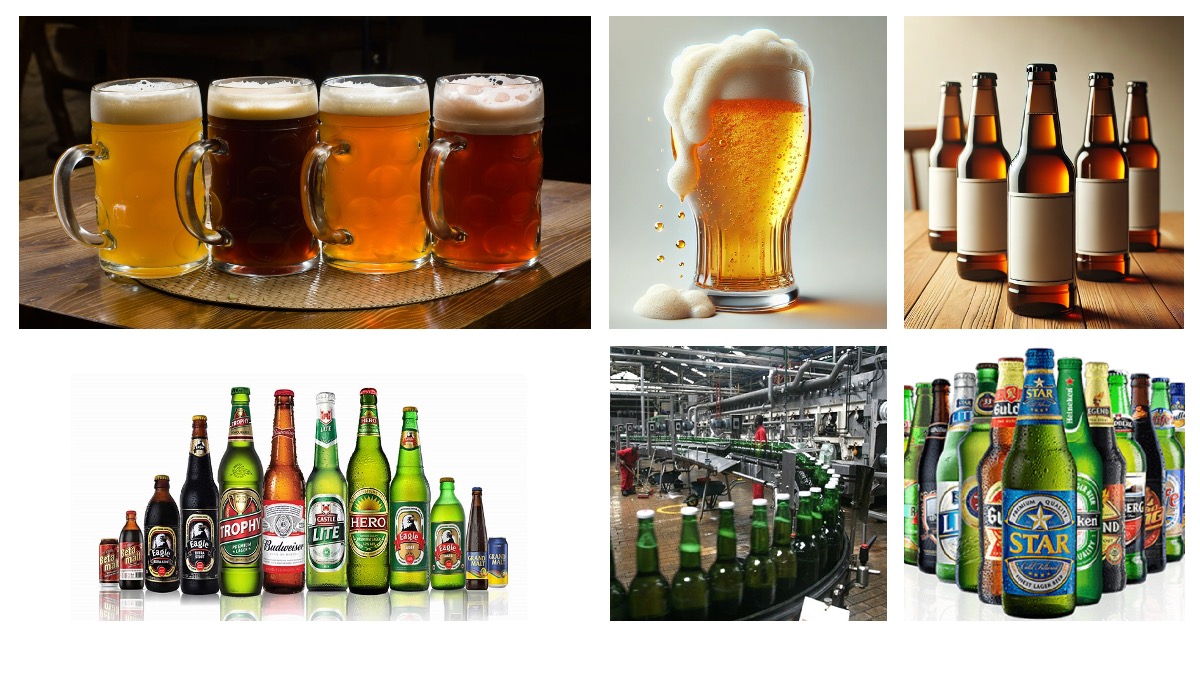
The Nigerian beverage industry is a battleground where giants like Nigerian Breweries Plc, Guinness Nigeria Plc, and International Breweries Plc dominate the landscape with vast resources and expansive reach. Yet, amidst these heavyweights, Golden Guinea Breweries Plc—a phoenix rising from its historical legacy—is daring to challenge the status quo. With roots deeply embedded in Nigeria’s brewing heritage, can Golden Guinea reclaim its place in the market, or will it be overshadowed by the titans of the industry? This analysis dives into the company’s market position, financial resilience, and its strategies to survive and thrive against formidable competition.
Market Capitalization and Financial Overview
Golden Guinea Breweries:
- Market Capitalization: ₦7.91 billion.
- Share Price: ₦8.64, reflecting a 174% improvement over the past year due to renewed investor confidence.
- Revenue: Revenue data for the trailing 12 months is unavailable, highlighting a potential challenge in transparency compared to competitors.
Competitors:
- Nigerian Breweries:
- Market Capitalization: ₦3.69 trillion, the largest in the industry.
- Revenue: ₦1.27 trillion, with a year-on-year growth of 95.24%.
- Dominant Market Share: Over 50% of Nigeria’s beverage market.
- Guinness Nigeria:
- Market Capitalization: ₦142.37 billion.
- Revenue: ₦365.8 billion.
- Focused on premium products, leveraging global branding for customer loyalty.
- International Breweries:
- Market Capitalization: ₦276.5 billion.
- Revenue: ₦476.6 billion.
Market Share Dynamics
Golden Guinea, with its limited production and financial resources, holds a minor share in the Nigerian beverage market. In contrast:
- Nigerian Breweries maintains a majority market share, leveraging its extensive distribution network and a broad product portfolio.
- Guinness Nigeria and International Breweries focus on niche markets, such as premium beers and flavored beverages, offering them higher margins.
Golden Guinea’s challenge lies in balancing affordability and quality to appeal to cost-sensitive consumers without competing directly with the premium-focused strategies of its larger competitors.
Production Capacity and Distribution Challenges
Golden Guinea’s production capacity stands at an impressive 48,000 bottles per hour. However:
- Underutilization:
- The company struggles with inconsistent production schedules due to supply chain inefficiencies and raw material shortages.
- Distribution Limitations:
- Distribution is largely regional, limiting Golden Guinea’s reach compared to Nigerian Breweries’ nationwide network.
Competitors’ Advantage:
- Nigerian Breweries operates multiple plants across Nigeria, reducing logistical challenges.
- Guinness leverages Diageo’s global distribution network for seamless market penetration.
Pricing and Consumer Segmentation
Golden Guinea targets cost-conscious consumers through competitively priced products. However:
- Nigerian Breweries and International Breweries dominate this segment with budget-friendly products, leaving Golden Guinea to compete on a smaller scale.
- Guinness, by contrast, focuses on high-income consumers, avoiding direct price competition.
Strategic Opportunities for Golden Guinea
- Niche Marketing:
- Golden Guinea can emphasize its heritage and local production to appeal to consumers seeking authentic Nigerian brands.
- Product Diversification:
- Introducing non-alcoholic beverages could open new revenue streams in the growing health-conscious consumer market.
- Sustainability Initiatives:
- Sustainable sourcing and eco-friendly packaging can help Golden Guinea differentiate itself and attract environmentally conscious consumers.
- Digital Engagement:
- Investing in digital marketing and e-commerce can boost Golden Guinea’s visibility and sales, particularly among younger, tech-savvy consumers.
Challenges and Risks
- Financial Constraints:
- With a significantly lower market capitalization and revenue base, Golden Guinea lacks the financial muscle for aggressive marketing and expansion.
- Operational Inefficiencies:
- Supply chain bottlenecks and energy costs inflate production expenses, reducing competitiveness.
- Economic Pressures:
- Inflation and currency devaluation increase input costs, forcing Golden Guinea to either absorb losses or risk losing price-sensitive customers.
Conclusion
Golden Guinea Breweries Plc faces an uphill battle in competing with Nigeria’s beverage giants. However, the company’s resilience, production potential, and rich heritage offer pathways for growth. By focusing on niche marketing, operational efficiency, and digital transformation, Golden Guinea can position itself as a formidable competitor in specific market segments.
In a market dominated by heavyweights, Golden Guinea’s ability to adapt and innovate will determine whether it remains a nostalgic relic or transforms into a modern success story.
Leave a Reply