
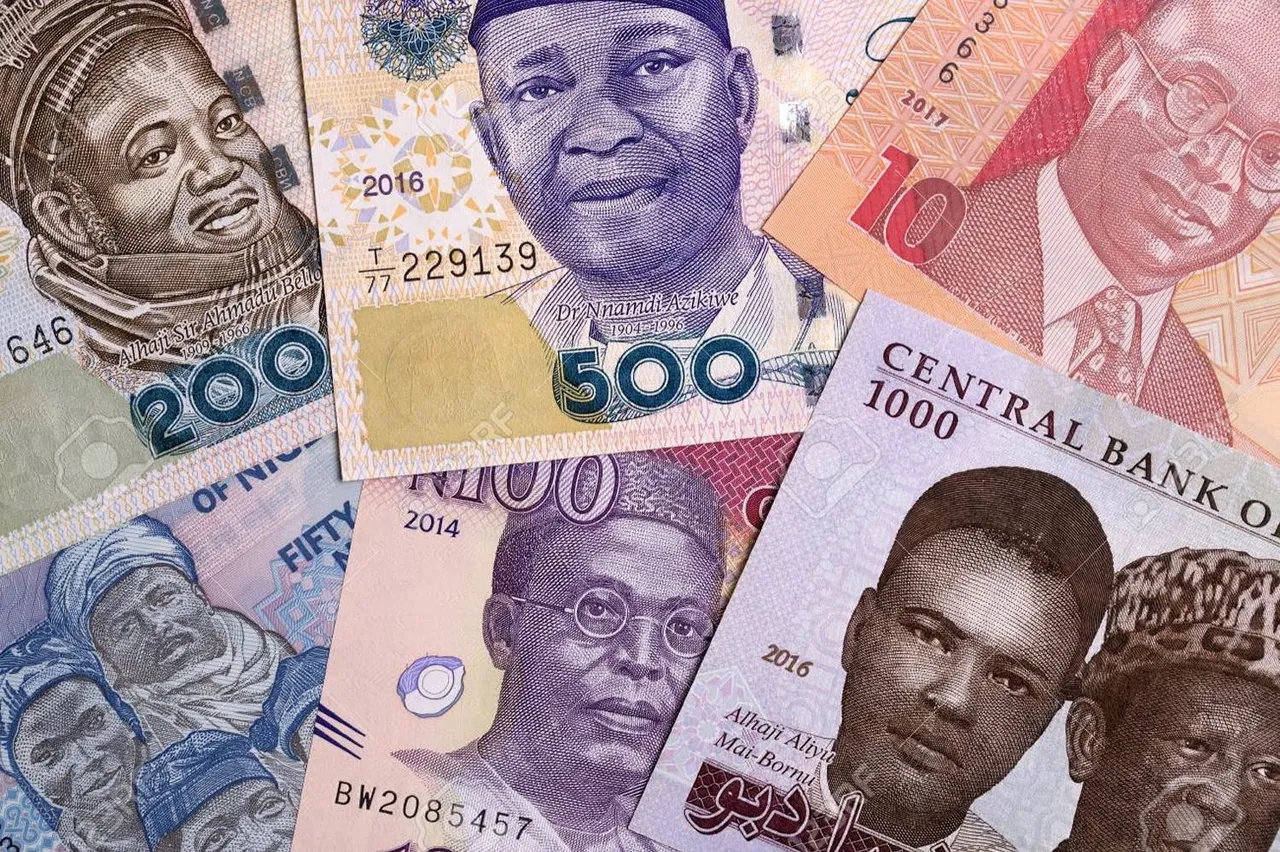
November 20, 2024 – The Nigerian naira has hit an unprecedented low, trading at ₦1,750 per US dollar on the black market. This sharp depreciation underscores the country’s deepening currency crisis, exacerbating economic challenges for businesses and consumers alike.
Driving Factors Behind the Decline
Several key factors have contributed to the naira’s continued slide:
• High Dollar Demand: Businesses and individuals are increasingly seeking US dollars for imports and as a hedge against inflation, creating a demand-supply imbalance.
• Foreign Exchange Shortages: Limited access to foreign currency has widened the gap between the official exchange rate and the black market rate.
• Economic Uncertainty: Inflationary pressures and policy shifts have further eroded confidence in the naira, driving more people toward stable currencies.
Economic and Social Impacts
The naira’s devaluation has far-reaching implications across various sectors:
• Rising Inflation: A weaker naira increases the cost of imported goods, fueling inflation and straining household budgets.
• Business Challenges: Companies relying on imports face higher operational costs and difficulties accessing foreign currency for transactions.
• Reduced Consumer Purchasing Power: Nigerians are grappling with higher prices for everyday goods and services, further reducing their standard of living.
Government’s Efforts to Stabilize the Currency
In response to the crisis, the Central Bank of Nigeria (CBN) has implemented several measures, including:
• Monetary Policy Adjustments: Raising interest rates in an attempt to curb inflation and stabilize the naira.
• Forex Market Interventions: Injecting dollars into the market to alleviate shortages, though these efforts have met limited success.
Despite these actions, economic analysts caution that deeper structural reforms are required to address the root causes of the currency crisis.
Outlook and Way Forward
The ongoing currency crisis underscores the urgent need for:
• Economic Diversification: Reducing Nigeria’s reliance on oil exports and increasing foreign exchange earnings from other sectors.
• Policy Transparency: Building investor confidence through clear and consistent economic policies.
• Strengthened Foreign Exchange Management: Ensuring greater liquidity and accessibility in the official forex market.
Without these reforms, the naira may face continued downward pressure, further destabilizing the Nigerian economy.
Conclusion
The naira’s fall to ₦1,750 on the black market highlights the critical economic challenges facing Nigeria. As businesses and consumers grapple with rising costs, all eyes are on the government to implement comprehensive measures to stabilize the currency and restore confidence in the economy.
For more updates on Nigeria’s economic developments and investment opportunities, visit Naija Investing Hub.
Stay informed on the latest currency news, economic insights, and investment opportunities in Nigeria.
