
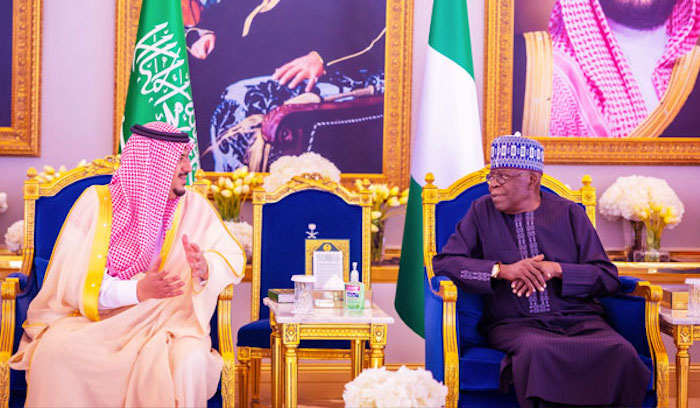
Nigeria is in advanced discussions with Saudi Arabia to secure a $5 billion trade facility that promises to support Nigeria’s ambitious economic reforms and foster stronger bilateral trade relations. The potential agreement was highlighted during a recent meeting between Nigeria’s President Bola Tinubu and Saudi Crown Prince Mohammed bin Salman in Riyadh, where both leaders discussed key areas of collaboration, including energy, agriculture, and infrastructure.
This article explores the significance of the trade facility, its expected impact on Nigeria’s economy, and the broader implications of this partnership for both nations.
The Trade Facility: What It Means for Nigeria
The proposed $5 billion trade facility is a strategic financial backing that aligns with Nigeria’s economic restructuring efforts. With this facility, Nigeria aims to strengthen its capital base, attract foreign investment, and implement essential reforms to foster economic stability and growth. While the specific terms of the facility are still under discussion, the Nigerian presidency has emphasized the importance of securing this support to bolster the nation’s economic resilience.
Objectives of the Trade Facility:
1. Enhancing Economic Stability: By securing additional funding, Nigeria can reinforce its economic reforms aimed at creating a stable and predictable economic environment.
2. Promoting Foreign Investment: The facility is expected to boost foreign direct investment (FDI) by signaling Nigeria’s commitment to creating a favorable investment climate for international partners.
3. Supporting Sectoral Growth: The funds will help Nigeria diversify its economy by encouraging growth in key sectors, such as agriculture, infrastructure, and energy, reducing dependency on oil revenues.
Nigeria-Saudi Arabia Trade Relations: A Growing Partnership
Nigeria and Saudi Arabia have long-standing trade relations, primarily driven by the energy sector. In 2022 alone, Nigeria exported around $661 million worth of goods to Saudi Arabia, mainly crude petroleum. In return, Saudi Arabia’s exports to Nigeria, valued at approximately $673 million, largely consisted of refined petroleum and polymers. This trade facility aims to deepen these economic ties by promoting investment and expanding trade across multiple sectors.
Areas of Potential Cooperation
The discussions between President Tinubu and Crown Prince Mohammed bin Salman outlined several key areas for enhanced cooperation:
• Oil and Gas: As major oil-producing nations, Nigeria and Saudi Arabia are well-positioned to collaborate on energy initiatives that can enhance production efficiencies and explore renewable energy sources.
• Agriculture: Saudi Arabia’s interest in food security aligns with Nigeria’s goals of improving agricultural productivity. Joint projects in agriculture could address food security concerns and create job opportunities in rural areas.
• Infrastructure Development: With Nigeria’s growing need for infrastructure improvements, Saudi investment could play a vital role in upgrading transportation, energy, and healthcare infrastructure.
• Business Council Formation: Both nations agreed on establishing a Saudi-Nigeria Business Council, which will facilitate ongoing economic cooperation and provide a structured platform for business exchanges.
Expected Economic Impact of the Trade Facility
Securing the $5 billion trade facility from Saudi Arabia is anticipated to have a profound impact on Nigeria’s economy, supporting growth, job creation, and a diversified economic base. Here’s a closer look at how this facility can shape Nigeria’s economic landscape:
1. Boosting Foreign Direct Investment (FDI)
This facility reflects Nigeria’s commitment to economic stability, which could attract additional foreign investments from global markets. Increased FDI will bring capital, technology, and expertise to Nigeria, promoting innovation and enhancing productivity across various sectors.
2. Strengthening Economic Reforms
The trade facility will provide Nigeria with the necessary resources to drive its economic reform agenda. By addressing structural challenges, Nigeria can achieve greater financial stability, reduce inflationary pressures, and create a conducive environment for long-term growth.
3. Diversifying Nigeria’s Economic Portfolio
One of the primary goals of this facility is to reduce Nigeria’s reliance on oil by promoting growth in agriculture, manufacturing, and infrastructure. This diversification strategy aims to build a more resilient economy that can withstand global market fluctuations and provide a sustainable source of revenue.
Strategic Benefits for Saudi Arabia
For Saudi Arabia, this partnership aligns with its broader goals of expanding economic influence in Africa and promoting sustainable development. By investing in Nigeria, Saudi Arabia can strengthen its presence in the African market, access new business opportunities, and establish a foundation for further cooperation with other African nations.
A Look to the Future: The Broader Implications of the Trade Facility
The potential $5 billion trade facility symbolizes more than just financial support; it reflects a shared vision between Nigeria and Saudi Arabia for mutual economic prosperity. By facilitating investment in critical sectors and strengthening trade relations, both nations are positioning themselves for substantial economic growth. This partnership could also set a precedent for future collaborations between Africa and the Middle East, promoting economic integration and sustainable development.
Conclusion
Nigeria’s pursuit of a $5 billion trade facility from Saudi Arabia marks a pivotal step in its journey toward economic stability and diversification. This partnership promises to deliver significant benefits, including increased foreign investment, support for economic reforms, and growth in key sectors like agriculture, infrastructure, and energy. As the discussions progress, the potential collaboration between Nigeria and Saudi Arabia could pave the way for a stronger, more resilient Nigerian economy.
For more insights on Nigeria’s economic initiatives and investment opportunities, follow Naija Investing Hub at naija-investing.com.
