
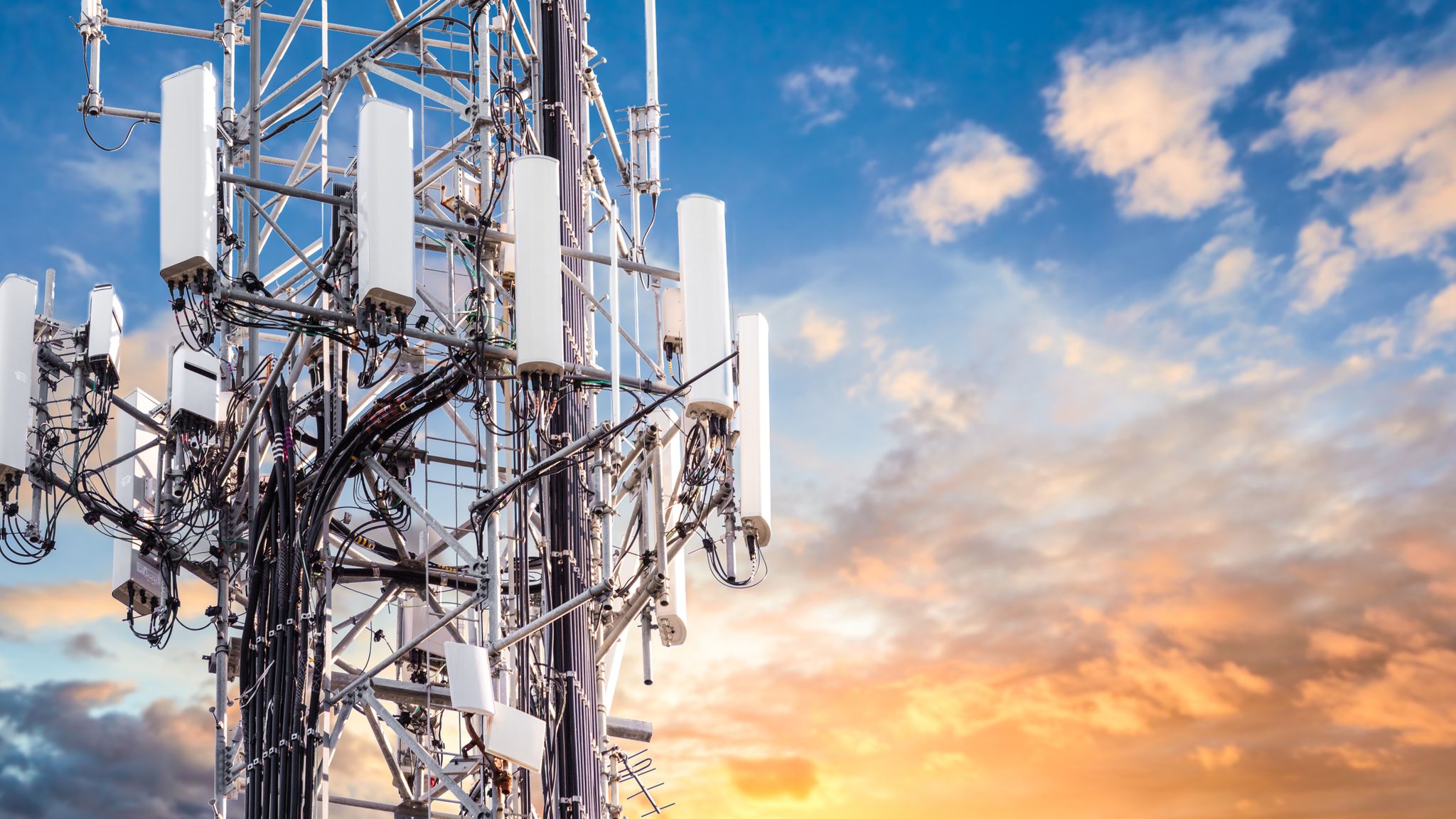
In an era where connectivity defines progress, Nigeria is making ambitious strides to bridge its digital divide. With the goal of achieving 70% broadband penetration by 2025 as outlined in the National Broadband Plan (NBP) 2020-2025, recent data reveals a mixed picture of progress and challenges. As of September 2024, broadband penetration stands at 41.56%, a slight decline from previous highs of 43.71% in late 2023.
Current Status of Broadband in Nigeria
Nigeria’s broadband landscape is marked by growth in urban areas and persistent challenges in rural regions. The number of broadband subscribers has decreased from 94.3 million in March to 90.1 million in September 2024. The decline is partly attributed to policy shifts, including the National Identification Number (NIN) verification exercise, which led to a substantial loss of subscriptions across the country’s four major mobile network operators.
Infrastructure: The Backbone of Connectivity
The drive to expand broadband access has faced significant hurdles:
- Right of Way Costs: Excessive charges for laying fiber optic cables have slowed expansion, particularly in remote regions where infrastructure development is both costly and logistically challenging.
- Inconsistent Power Supply: Reliable electricity remains a bottleneck, limiting the functionality of telecom infrastructure in underserved areas.
- Limited Network Coverage: Rural areas continue to face gaps in coverage, making it difficult to extend the benefits of connectivity to all Nigerians.
Government-Led Initiatives
Despite these challenges, the government has launched several initiatives to accelerate broadband adoption and bridge the digital divide:
- Project 774 LG Connectivity: This bold program aims to provide internet access to all 774 Local Government Areas across the country. It prioritizes underserved and rural regions to ensure nationwide inclusion.
- Fiber Optic Expansion: The government plans to deploy an additional 90,000 kilometers of fiber optic cables by 2025. This move is expected to enhance data transmission speeds and improve internet reliability.
- Subsidies and Tax Incentives: Policies aimed at reducing the cost of broadband services have been introduced to encourage private sector investment in telecom infrastructure.
Private Sector Contributions
Telecom giants like MTN Nigeria, Airtel Africa, and Globacom have ramped up investments in 5G infrastructure and fiber optic networks. The deployment of 5G services in major urban centers has been a game-changer, offering unparalleled internet speeds and reliability.
However, high costs remain a barrier to adoption, especially for low-income users. Industry players have called for greater regulatory support to subsidize the cost of devices and services.
Broadband as an Economic Catalyst
Expanding broadband access has far-reaching implications for Nigeria’s economic development. A well-connected Nigeria stands to benefit from:
- Enhanced Education: Digital learning platforms can reach students in remote areas, democratizing access to quality education.
- Boosted E-Commerce: Improved connectivity can enable small businesses to leverage online marketplaces, increasing their reach and revenue.
- Agricultural Efficiency: Farmers in rural areas can access real-time market data and weather forecasts, enhancing productivity.
Challenges to Overcome
- Affordability: Despite progress, internet costs remain prohibitively high for many Nigerians, limiting widespread adoption.
- Cybersecurity: As connectivity grows, so do risks. Strengthening Nigeria’s cybersecurity framework is critical to safeguarding users.
- Digital Literacy: Closing the digital divide requires not only access but also the skills to effectively use online tools and services.
Outlook: A Connected Future
While the current penetration rate falls short of expectations, the commitment of both public and private stakeholders offers hope. Achieving the 70% target by 2025 requires concerted efforts to address systemic challenges, from infrastructure deficits to affordability.
The government’s proactive approach, combined with private sector innovation, positions Nigeria to emerge as a digital powerhouse in Africa. As connectivity expands, the benefits will ripple across education, healthcare, commerce, and governance, unlocking new opportunities for growth and inclusion.
For Nigeria, the broadband revolution is more than just a technological upgrade; it’s a pathway to a brighter, more inclusive future.
