
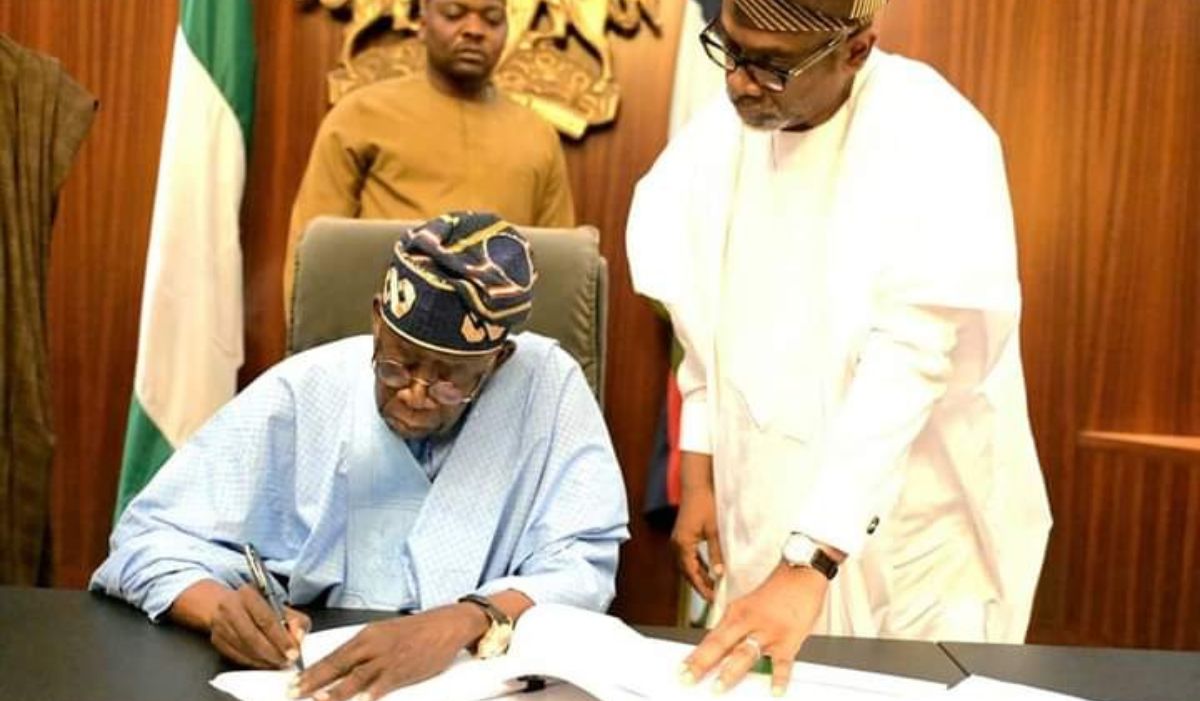
In the first half of 2024, Nigeria’s domestic debt surged to an unprecedented ₦66.957 trillion, reflecting an ongoing dependence on borrowing to meet fiscal demands and a response to structural economic adjustments. This increase, up from ₦59.12 trillion at the close of 2023, highlights several critical factors reshaping the nation’s debt landscape. As the government navigates a complex web of budget deficits, currency devaluation, and subsidy reforms, understanding the implications of this mounting debt is crucial for investors, policymakers, and the public.
Key Drivers of Nigeria’s Domestic Debt Surge
1. Budget Deficit Financing
A significant contributor to Nigeria’s rising debt is the need to finance its budget deficits. As oil revenues—historically a major fiscal support—fluctuate, the government increasingly relies on domestic borrowing to address shortfalls. The Debt Management Office (DMO) cited new domestic borrowing to partially fund the 2024 budget, which has played a major role in expanding the debt profile.
2. Securitization of Central Bank Loans
The Central Bank of Nigeria (CBN) has provided advances to the government through its “Ways and Means” facility. Recently, these loans were securitized, converting them into long-term debt instruments. While this approach spreads the repayment burden over time, it formally incorporates the debt into the nation’s overall domestic obligations, adding significantly to the official debt figures.
3. Currency Devaluation and Inflation
As the naira continues to experience devaluation, foreign debt repayments become costlier, pushing the government to rely more heavily on domestic sources of credit. Additionally, the weakening of the naira affects the value of debt in local currency terms, contributing to the overall rise in domestic debt levels.
4. Rising Debt Servicing Costs
Domestic debt servicing has increased alongside borrowing, reflecting the higher interest rates tied to government bonds and loans. In the first half of 2024 alone, Nigeria’s debt servicing payments jumped by 69%, totaling ₦6.04 trillion compared to ₦3.58 trillion in H1 2023. Higher debt servicing obligations limit available funds for other critical public services and initiatives.
5. Subsidy Reform and Economic Adjustments
The government’s recent economic reforms, including the removal of fuel subsidies, have necessitated increased public spending to cushion the population against inflationary impacts. This spending is largely financed through domestic borrowing, further adding to Nigeria’s debt stock. While subsidy reform is intended to strengthen long-term fiscal stability, the immediate impact has increased the need for financing through domestic debt.
Economic Implications of the Rising Domestic Debt
The rising domestic debt has far-reaching implications for Nigeria’s economic stability, investment climate, and the everyday financial realities of its citizens.
1. Crowding Out of Private Investment
With the government occupying a significant share of domestic credit markets, private sector access to affordable financing becomes limited. Higher interest rates on government debt instruments raise borrowing costs for private businesses, stifling investment and potentially hindering economic growth and job creation.
2. Inflationary Pressures
Increased domestic borrowing adds to the money supply, which, if not offset by corresponding economic growth, can lead to inflation. This inflation affects consumer purchasing power and places additional financial pressure on households as prices rise for essential goods and services.
3. Exchange Rate Volatility
High levels of debt, particularly in an environment of currency devaluation, can weaken investor confidence, prompting capital outflows and further devaluation of the naira. A depreciated currency raises the cost of imports, fueling inflation and impacting the cost of living.
4. Fiscal Constraints
A considerable portion of Nigeria’s revenue is now allocated to debt servicing, which limits the government’s capacity to invest in essential infrastructure and social services, including education and healthcare. These constraints could stymie long-term economic development and undermine efforts to reduce poverty and improve living standards.
5. Impact on the Nigerian Capital Market
For investors, the rising debt profile may create opportunities in government bonds and securities as yields rise. However, it may also signal underlying economic fragility, potentially impacting stock market performance and investor sentiment. Local and international investors may become cautious, impacting both the equity and bond markets in Nigeria.
Navigating the Future: Strategic Options
To manage the domestic debt burden, Nigeria must implement effective strategies that reduce dependence on borrowing while promoting economic stability and growth. Key strategies include:
• Diversifying Revenue Streams: By expanding its economic base beyond oil, Nigeria can strengthen revenue resilience. Growth in sectors like agriculture, technology, and manufacturing could significantly reduce reliance on debt-financed budgets.
• Enhancing Tax Collection Efficiency: By improving tax administration and broadening the tax base, the government can increase revenue from non-oil sectors, reducing the need for excessive borrowing.
• Prudent Fiscal Management: Prioritizing and controlling government expenditures are essential to limit budget deficits and manage the debt load effectively.
• Debt Restructuring: Nigeria could engage in debt restructuring talks to renegotiate terms, reducing short-term debt servicing costs and easing immediate fiscal pressures.
Conclusion
Nigeria’s rising domestic debt, now at ₦66.957 trillion, presents both challenges and opportunities. While it underscores the need for fiscal reform, it also highlights potential investment avenues for cautious investors. With the right strategies, Nigeria can navigate this complex debt landscape, fostering a stable economic environment that benefits both the country and its citizens. For those invested in Nigeria’s future, staying informed about these developments will be crucial.
For ongoing insights into Nigeria’s economy, investments, and fiscal landscape, stay connected with Naija Investing Hub at naija-investing.com
