
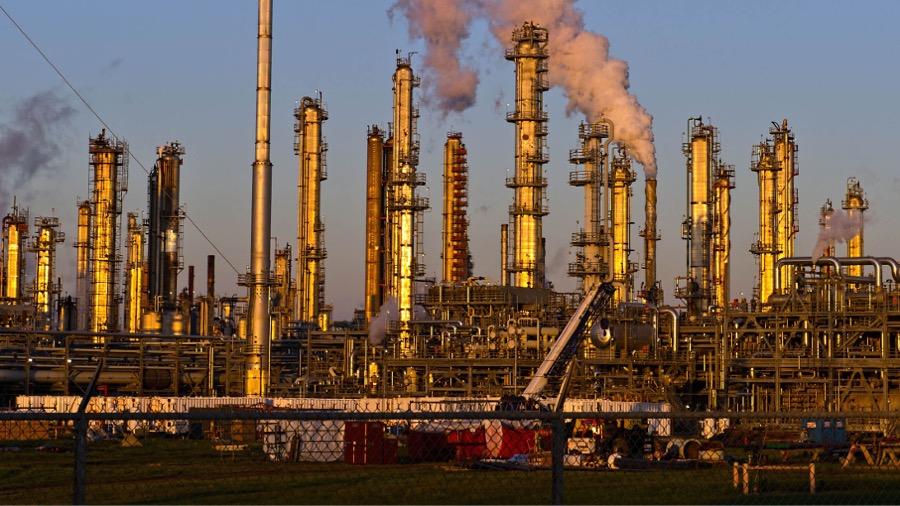
The spot price of Nigeria’s benchmark crude oil has remained steady at $75.44 per barrel, a crucial lifeline for an economy heavily reliant on oil revenues. In the face of ongoing global market volatility, this stability offers a much-needed cushion for Nigeria’s fiscal operations and foreign exchange reserves. However, underlying challenges and long-term risks in the oil sector raise important questions about the country’s economic resilience.
Key Factors Behind Price Stability
Global Oil Market Trends
- Heightened Volatility: Crude oil markets have been marked by volatility, driven by geopolitical tensions, supply chain disruptions, and evolving demand patterns. The war in Ukraine, coupled with production uncertainties in the Middle East, has exerted significant influence on global oil prices.
- Nigeria’s Resilience: Despite these challenges, Nigeria’s crude oil prices have held steady. This resilience can be attributed to favorable market dynamics, including persistent demand for Nigerian crude, which is low in sulfur and highly valued by refiners.
OPEC+ Production Strategy
- Coordinated Production Cuts: The Organization of the Petroleum Exporting Countries (OPEC) and its allies have maintained disciplined production cuts, aiming to stabilize prices amidst fluctuating global demand. Nigeria, as a key OPEC member, has directly benefited from this strategy.
- Adherence to Quotas: Nigeria’s compliance with OPEC production quotas has bolstered its export prospects, ensuring that it maximizes earnings within the agreed limits.
Improved Domestic Production
- Curbing Oil Theft: Efforts to address oil theft and pipeline vandalism have begun to yield results, with measurable improvements in production volumes.
- Operational Efficiency: Strategic investments in oil extraction and export infrastructure have enabled Nigeria to maintain consistent export levels, ensuring it capitalizes on prevailing global prices.
Macroeconomic Implications
Revenue Generation
- Oil as a Revenue Mainstay: Crude oil accounts for over 80% of Nigeria’s export earnings and a substantial portion of government revenue. The stable price of $75.44 per barrel provides a foundation for fiscal planning, particularly in managing expenditures and funding key projects.
- Impact on Budgetary Projections: Nigeria’s fiscal budget often hinges on crude oil price benchmarks. Stability in oil prices reduces fiscal uncertainty, aiding both short-term planning and long-term debt management.
Foreign Exchange Reserves
- Support for the Naira: Stable oil prices have been instrumental in maintaining Nigeria’s foreign exchange reserves, which serve as a buffer against naira volatility. These reserves are critical for meeting import obligations and stabilizing the naira, currently trading at approximately ₦1,544/USD.
- Mitigating Currency Pressures: While oil revenues have helped cushion exchange rate pressures, fluctuations in global demand or prices could exacerbate currency volatility, particularly in light of limited forex inflows from other sectors.
Inflation and Subsidy Reforms
- Subsidy Removal Impacts: The removal of fuel subsidies has resulted in higher domestic fuel prices, contributing to inflationary pressures. While steady crude oil prices are beneficial for government revenues, they can amplify the cost of living for Nigerian households.
- Inflationary Dynamics: At 34.6%, inflation remains a critical challenge for policymakers. Stable crude prices offer some respite, but broader economic reforms are needed to address systemic inflation drivers.
Challenges in the Oil Sector
Production Constraints
- Below Pre-Pandemic Levels: Despite recent improvements, Nigeria’s crude oil production levels remain below pre-pandemic highs. Infrastructure deficiencies and operational inefficiencies continue to limit output.
- Capacity Utilization Issues: Aging facilities and pipeline downtime frequently disrupt operations, underscoring the need for targeted investments in infrastructure.
Energy Transition Pressures
- Declining Long-Term Demand: The global shift towards renewable energy and decarbonization is gradually reducing demand for fossil fuels. As major economies invest in cleaner alternatives, Nigeria faces the challenge of diversifying its revenue base to reduce reliance on oil.
- Investment Uncertainty: The focus on renewable energy has also shifted investment priorities away from traditional oil exploration, raising concerns about Nigeria’s ability to attract capital for its energy sector.
Geopolitical Risks
- Global Tensions: The ongoing conflict in Ukraine and volatility in the Middle East have disrupted global oil supply chains. While these disruptions have supported prices in the short term, they also expose Nigeria’s oil sector to external shocks.
- Security Concerns: Domestic issues, including attacks on oil infrastructure, further complicate Nigeria’s production stability, reducing the predictability of export volumes.
Global Market Volatility
Geopolitical Tensions
- Disrupted Supply Chains: Events such as the Russia-Ukraine war have created supply shortages, indirectly benefiting Nigeria’s oil exports by driving up prices.
- Strategic Importance: Nigeria’s strategic position as a reliable oil supplier in a volatile global market enhances its leverage, although it must navigate the risks of over-reliance on such circumstances.
Economic Slowdowns
- Major Economies: Concerns about economic slowdowns in key markets, including the US and China, have dampened global demand for oil. However, steady consumption in emerging markets has offset this decline.
- Seasonal Demand: Seasonal variations, including increased winter demand in Northern Hemisphere countries, continue to provide short-term support for oil prices.
Outlook for Nigeria’s Crude Oil
Short-Term Projections
- Price Range Stability: Analysts predict that crude oil prices will remain within the $70–$80 range in the near term. OPEC+ production strategies, combined with seasonal demand increases, are likely to support this range.
- Export Volume Recovery: Continued efforts to improve production efficiency and address theft are expected to stabilize export volumes, enhancing Nigeria’s revenue streams.
Medium- to Long-Term Risks
- Energy Transition: As the global energy transition accelerates, Nigeria must actively diversify its revenue base. Heavy reliance on crude exports leaves the economy vulnerable to declining demand for fossil fuels.
- Infrastructure Investments: Upgrading oil production and export infrastructure will be critical for Nigeria to maintain competitiveness in an increasingly tight global market.
Investment Insights
Opportunities
- Energy Sector Investments: Investors may consider exposure to Nigeria’s energy sector through bonds or equities tied to upstream and downstream activities.
- Infrastructure Development: Investments in modernizing oil extraction, transportation, and export facilities could yield long-term returns as Nigeria seeks to optimize its production capacity.
- Renewable Integration: Nigeria’s gradual adoption of renewable energy presents opportunities for investment in hybrid energy projects, which could balance traditional oil revenues with emerging clean energy markets.
Risks
- Price Fluctuations: Global oil price volatility remains a significant risk for investors. Short-term price swings can disrupt revenue projections and investor returns.
- Currency Risks: Nigeria’s currency instability adds an additional layer of risk for foreign investors. Fluctuations in the naira’s exchange rate could erode the real value of returns on naira-denominated investments.
Conclusion
The steady spot price of Nigeria’s crude oil at $75.44 per barrel highlights the resilience of the nation’s oil sector amidst global market volatility. This stability provides short-term fiscal relief, supports foreign exchange reserves, and mitigates inflationary pressures. However, significant challenges remain, including production constraints, geopolitical risks, and the long-term impact of the global energy transition.
For Nigeria to secure its economic future, it must prioritize diversification and structural reforms. By investing in infrastructure, embracing renewable energy, and expanding non-oil revenue streams, the country can build a more sustainable and resilient economy. For investors, Nigeria’s energy sector offers compelling opportunities, but caution is warranted given the inherent risks of price and currency volatility.
