
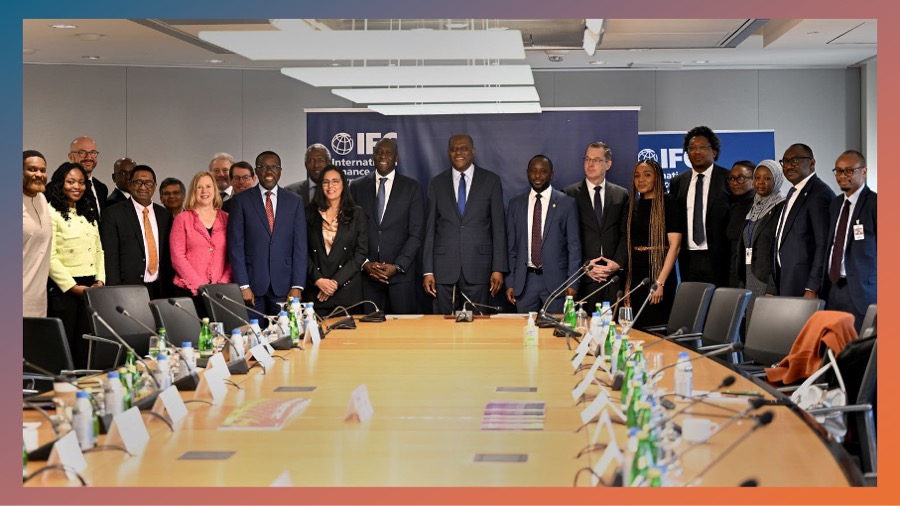
In October 2024, the International Finance Corporation (IFC), a member of the World Bank Group, and the Central Bank of Nigeria (CBN) joined forces to boost local currency financing for private businesses across Nigeria. This strategic collaboration aimed to unlock significant opportunities for critical sectors, including agriculture, housing, infrastructure, energy, and small and medium-sized enterprises (SMEs). Three months into this groundbreaking partnership, it is essential to assess its progress and initial impacts.
The Foundation of the Partnership
The partnership was designed to address a long-standing challenge faced by Nigerian businesses: limited access to affordable local currency financing. By facilitating over $1 billion in investments denominated in Nigerian naira, the initiative seeks to reduce reliance on foreign currency loans and mitigate risks associated with exchange rate volatility.
According to CBN Governor Yemi Cardoso, this collaboration represents a shift toward innovative financing models, moving beyond traditional intervention programs. IFC Managing Director Makhtar Diop emphasized the transformative potential of local currency financing, particularly for SMEs, which are the backbone of Nigeria’s economy.
Early Outcomes
While the program is still in its early stages, notable developments have already begun to materialize:
- Increased Access to Credit: Several financial institutions, including microfinance banks and development banks, have reported increased availability of naira-denominated credit for SMEs. Early beneficiaries include agro-processing ventures and renewable energy startups, which are using these funds to scale operations and improve productivity.
- Catalyzing Investments: The partnership has catalyzed private sector interest, with several companies leveraging local currency loans to expand their market presence. For example, a leading agricultural cooperative in Kaduna recently secured financing to invest in modern equipment, enhancing their production capacity and competitiveness.
- Strengthened Financial Institutions: By providing naira liquidity, the initiative has bolstered the capacity of financial institutions to meet the growing demand for affordable loans. This has, in turn, strengthened the broader financial ecosystem, improving its resilience to external shocks.
- Policy Alignment and Stakeholder Engagement: The CBN has convened several workshops with key stakeholders to align policies and address implementation challenges. These efforts aim to ensure that the program remains inclusive and accessible to underserved segments, particularly rural entrepreneurs and women-led businesses.
Challenges and Areas for Improvement
Despite these promising developments, the initiative faces challenges that need to be addressed to maximize its impact:
- Regulatory Bottlenecks: Streamlining approval processes for loan disbursement remains a priority to ensure timely access to funds.
- Awareness and Outreach: Many SMEs are still unaware of the availability of local currency financing. Enhanced awareness campaigns and partnerships with business associations could bridge this gap.
- Monitoring and Evaluation: Establishing robust mechanisms to track the program’s outcomes will be critical for measuring success and making data-driven adjustments.
Looking Ahead
As the program progresses, its potential to transform Nigeria’s economic landscape is immense. By reducing dependency on foreign currency loans and empowering local businesses, the partnership is poised to drive inclusive growth and foster economic diversification. Future milestones to watch include:
- Expansion of Sector Coverage: Scaling the program to include emerging industries such as technology and creative enterprises.
- Public-Private Collaboration: Deepening partnerships with private sector actors to amplify investments and innovation.
- Sustainability Focus: Integrating environmental, social, and governance (ESG) principles into financing decisions to promote sustainable development.
Conclusion
The collaboration between the CBN and IFC represents a bold step toward strengthening Nigeria’s financial system and supporting its private sector. While challenges remain, the early successes of the initiative underscore its transformative potential. With sustained commitment and strategic refinements, this partnership could redefine local currency financing and pave the way for a more resilient and inclusive Nigerian economy.
Stay tuned to Naija Investing Hub for ongoing updates on this initiative and other developments shaping Nigeria’s investment landscape.
