Introduction
Nigeria’s proposed 2025 budget, with a total allocation of ₦47.9 trillion, promises significant investments in critical sectors, including infrastructure, education, and healthcare. However, with a revenue projection of ₦34.1 trillion and a deficit of ₦13.8 trillion, questions abound about whether the budget can meet its lofty goals. This article critically evaluates the allocations to these key sectors, exploring their adequacy and potential impact on development.
Infrastructure: Laying the Foundation for Growth
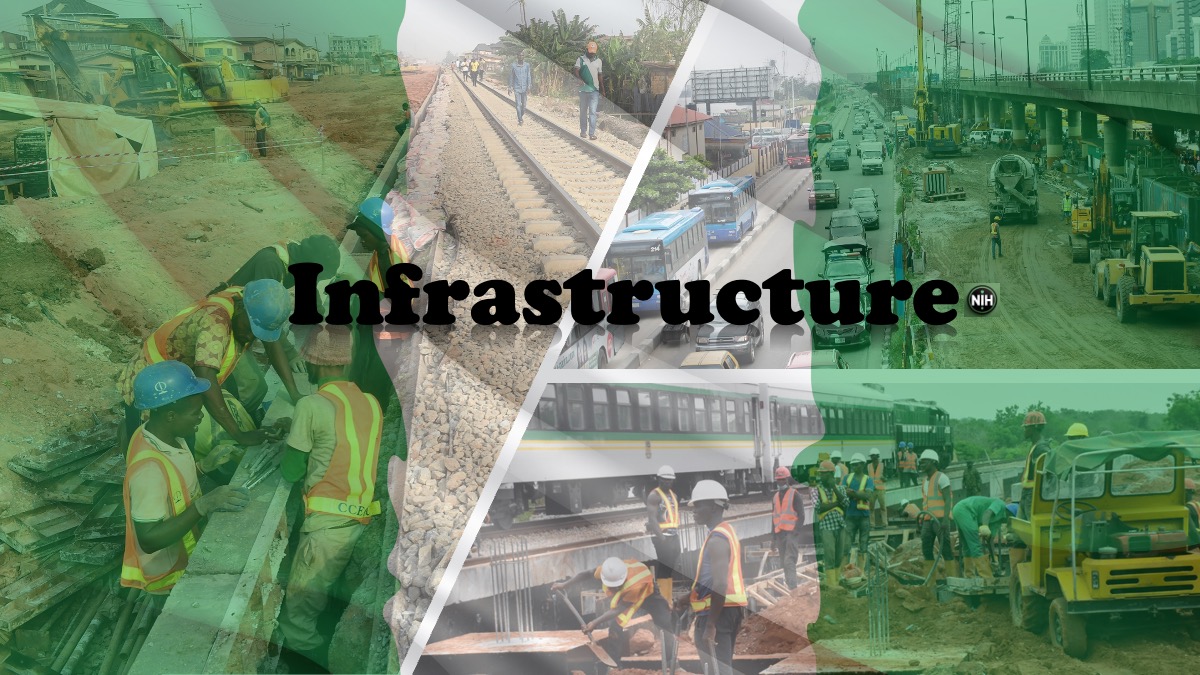
Infrastructure development is pivotal to Nigeria’s economic aspirations. In the 2025 budget:
- Capital Expenditure: ₦16.48 trillion, representing approximately 34.4% of total spending.
- Focus Areas: Roads, railways, power projects, and housing.
Key Projects
The budget outlines significant allocations for:
- Transportation: Investments in rail and road networks aim to improve connectivity and reduce logistic costs.
- Energy: Power generation and transmission projects are central to tackling Nigeria’s persistent energy crisis.
Evaluation
While the ₦16.48 trillion allocation for capital expenditure is a step in the right direction, Nigeria’s infrastructure deficit requires sustained and larger investments. Experts estimate that Nigeria needs to invest at least 4% of GDP annually to close the gap in critical infrastructure, a target the current budget falls short of.
Education: Bridging the Knowledge Gap
Education is crucial for national development and competitiveness. However, Nigeria’s spending on education has consistently fallen below global benchmarks. For 2025:
- Allocation: Approximately 7% of the total budget.
- UNESCO Recommendation: At least 15-20% of public expenditure on education.
Key Areas of Focus
- Improving basic education access and quality.
- Funding tertiary institutions to address infrastructure and capacity challenges.
- Supporting vocational and technical training to boost employment.
Evaluation
The proposed allocation leaves significant gaps in funding critical areas such as teacher training, infrastructure, and student support services. Without substantial increases, Nigeria risks perpetuating low literacy levels and limited access to quality education.
Healthcare: Addressing Public Health Needs
The healthcare sector remains underfunded despite its importance to societal well-being. In 2025:
- Allocation: Approximately 5% of the budget.
- WHO Recommendation: At least 15% of national budgets should be devoted to healthcare.
Priorities
- Tackling maternal and infant mortality through improved primary healthcare.
- Enhancing the capacity of tertiary health institutions.
- Expanding access to universal healthcare coverage.
Evaluation
The allocation for healthcare falls significantly short of the WHO benchmark, limiting the government’s ability to address Nigeria’s pressing health challenges. The sector requires more investment to expand access and improve service delivery.
Debt Servicing and Its Impact on Social Spending
One of the most critical constraints on infrastructure and social investment is Nigeria’s debt servicing burden. With ₦8.25 trillion allocated for debt repayment in 2025, more than the combined allocations for education and healthcare, the country’s fiscal space for critical investments is severely restricted.
Alternative Financing Strategies
To enhance funding for infrastructure and social investments, Nigeria must explore alternative strategies:
- Public-Private Partnerships (PPPs): Engaging private sector investment in infrastructure projects can reduce the fiscal burden.
- Increased Revenue Mobilization: Expanding the tax base and curbing revenue leakages can boost government income.
- Efficiency in Spending: Reducing administrative overheads and corruption can free up resources for development.
Global Comparisons: Learning from Success Stories
Countries like South Africa and Kenya have successfully leveraged targeted investments in education and infrastructure to spur growth. For instance:
- South Africa: Focused on infrastructure-led growth, allocating up to 6% of GDP to infrastructure annually.
- Kenya: Prioritized universal healthcare through increased public spending and partnerships.
Nigeria can draw lessons from these countries by aligning budget allocations with developmental goals and ensuring effective utilization of funds.
Conclusion
While Nigeria’s 2025 budget makes significant allocations to infrastructure, education, and healthcare, the funding levels remain insufficient to address the country’s pressing developmental needs fully. The heavy burden of debt servicing further constrains the government’s capacity to invest in critical sectors. For the budget to deliver on its promises, Nigeria must adopt innovative financing strategies, enhance revenue collection, and ensure efficient use of resources. Only through a balanced and strategic approach can the country achieve sustainable growth and improved living standards.
Leave a Reply