
Introduction: A New Chapter in the Syrian Crisis
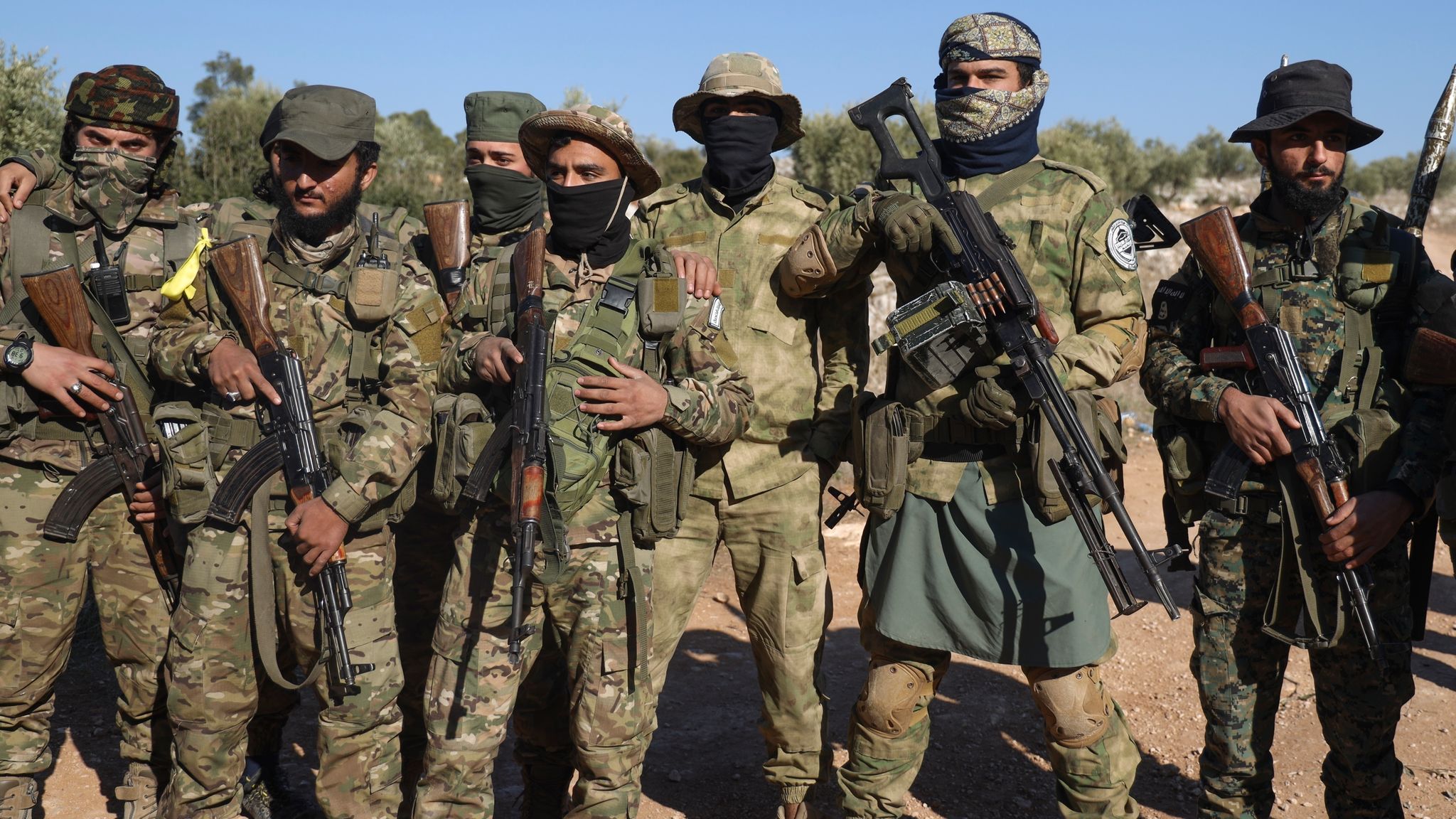
The Syrian conflict has escalated dramatically, with rebel forces reclaiming significant territories, including most of Aleppo, in a surprise offensive. This development marks the most significant shift in Syria’s power dynamics in years, raising global concerns over its broader geopolitical and economic ramifications.
While Syria may seem geographically distant, the ripple effects of this conflict extend far beyond the Middle East, reaching as far as Africa’s largest economy—Nigeria. In this article, we explore the unfolding events in Syria and analyze their potential impact on Nigeria’s economic landscape.

The Syrian Conflict: What’s Happening Now?
Rebel forces, led by Hayat Tahrir al-Sham (HTS), have launched a large-scale offensive, capturing key territories in Aleppo. The Syrian government, supported by Russian airstrikes, is preparing counterattacks, intensifying fears of prolonged instability in the region.
This resurgence of conflict comes amid broader geopolitical tensions, with the Middle East already strained by ongoing conflicts in Gaza and Lebanon. The situation has drawn international attention, with countries like Turkey and Russia holding urgent discussions on stabilization efforts.
How This Impacts Nigeria: A Closer Look
The Syrian conflict’s indirect effects on Nigeria are tied to the interconnectedness of global markets, trade, and geopolitical alliances. Here’s how:
1. Oil Prices and Revenue
The Middle East remains a critical region for global oil supply. Instability in Syria and surrounding areas often leads to speculative increases in oil prices:
- Higher Oil Prices: As a major oil producer, Nigeria could benefit from rising crude prices, boosting its foreign exchange reserves and government revenues.
- Volatility Risks: However, unpredictable price swings may challenge Nigeria’s budget planning and economic stability.
2. Trade and Shipping Logistics
If the Syrian conflict disrupts major shipping routes in the Mediterranean or Red Seas, global trade could be affected:
- Higher Shipping Costs: Nigeria may face increased costs for imported goods and delays in shipments.
- Export Challenges: Nigerian exporters could experience logistical challenges in reaching international markets.
3. International Aid and Security Dynamics
The intensification of the Syrian conflict could shift global attention and resources:
- Reduced Aid to Africa: Humanitarian aid and funding may be redirected from Sub-Saharan Africa to the Middle East, potentially impacting development programs in Nigeria.
- Security Implications: Increased global focus on the Middle East might slow down international collaborations on security issues in Nigeria, such as counterterrorism efforts in the Northeast.
4. Geopolitical Relations
Russia’s deepened involvement in Syria could affect its partnerships elsewhere:
- Impact on Africa: Russia’s growing presence in Africa, including energy and military collaborations, may see delays as its resources are redirected to the Syrian crisis.
- Nigeria’s Strategic Position: This presents both a challenge and an opportunity for Nigeria to strengthen ties with other global powers seeking influence in Africa.
What Nigeria Should Watch For
1. Budgetary Implications
Rising oil prices could be a short-term boon for Nigeria, but policymakers must remain cautious of potential volatility. Diversifying revenue sources and building fiscal buffers will be crucial.
2. Strengthening Domestic Trade
To mitigate risks from disrupted global shipping, Nigeria must enhance local production and intra-African trade, leveraging platforms like the African Continental Free Trade Agreement (AfCFTA).
3. Positioning in Global Diplomacy
Nigeria can use this period to bolster its influence on the international stage, advocating for stronger Africa-Middle East cooperation and securing strategic partnerships.
Conclusion: A Distant Crisis with Local Implications
The intensification of the Syrian conflict underscores the interconnected nature of global events. For Nigeria, the ripple effects of this crisis highlight the importance of proactive economic planning, strategic trade policies, and robust international diplomacy.
While the Syrian conflict may seem far removed from Nigeria’s borders, its impact on oil markets, trade routes, and geopolitical dynamics makes it a significant event to watch. As the situation unfolds, Nigeria’s ability to adapt and seize opportunities will determine how it navigates these global challenges.
